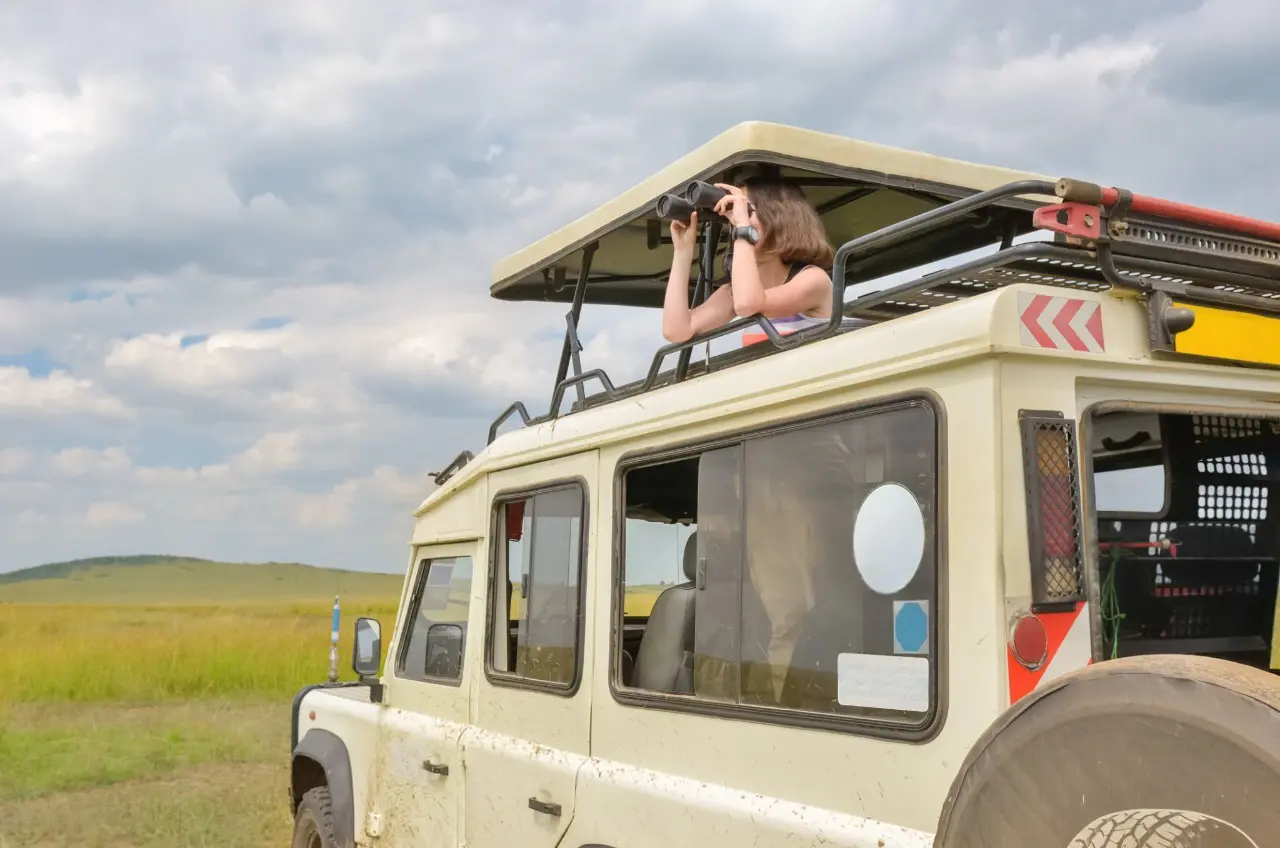

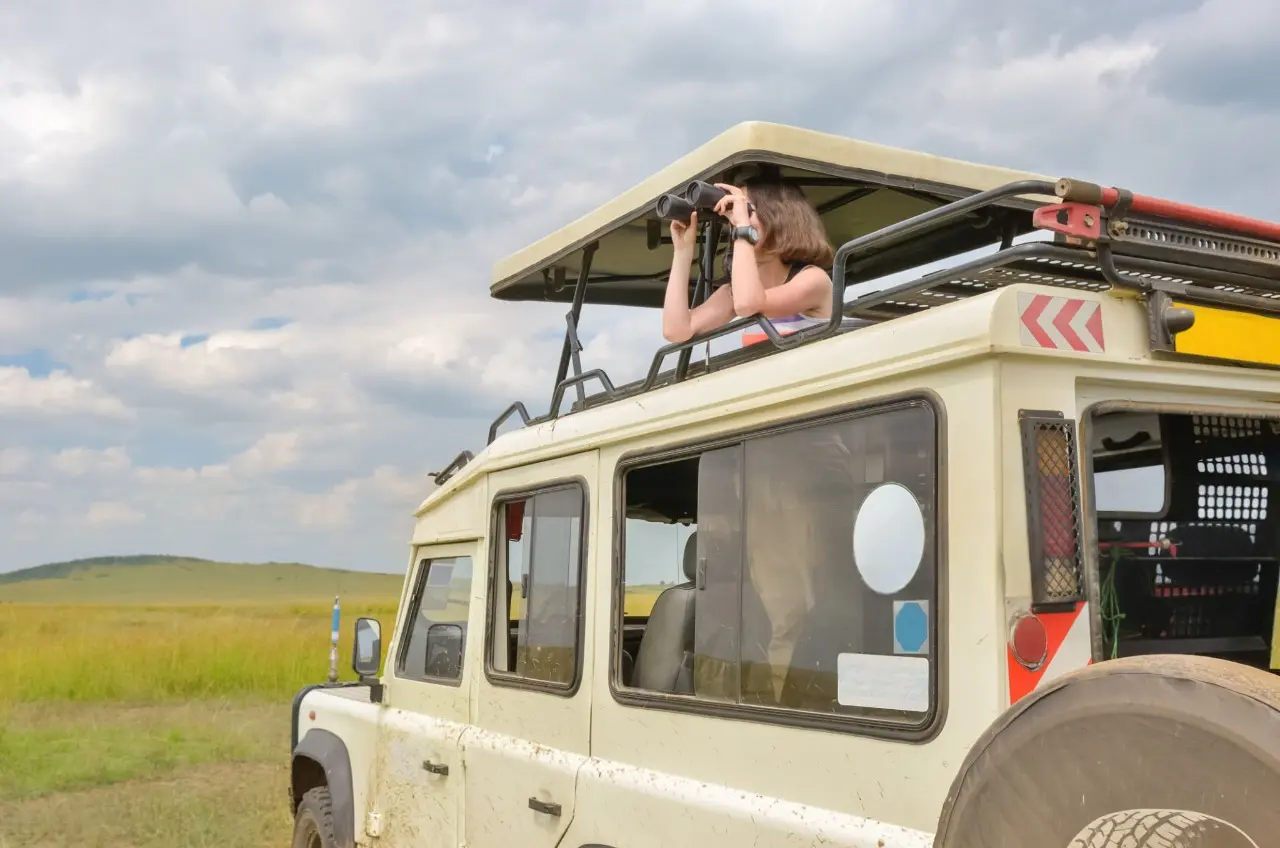
Safari photography presents unique opportunities and challenges that differ significantly from other forms of wildlife photography. At Kileleoni Mara Gateway, we help guests capture stunning images of African wildlife by providing expert guidance, optimal positioning, and insider knowledge about animal behavior and the best photographic conditions in the Maasai Mara.
The golden hours of early morning and late afternoon provide the most spectacular lighting conditions for wildlife photography. During these times, the soft, warm light enhances animal colors and creates dramatic shadows that add depth and dimension to photographs. Our game drives are specifically timed to maximize these optimal lighting conditions.
Understanding animal behavior significantly improves photographic success. Lions resting during midday heat may suddenly become active as temperatures cool, providing action shots. Elephants often visit water sources at predictable times, creating opportunities for reflection shots and interaction photography. Our experienced guides share behavioral insights that help anticipate photogenic moments.
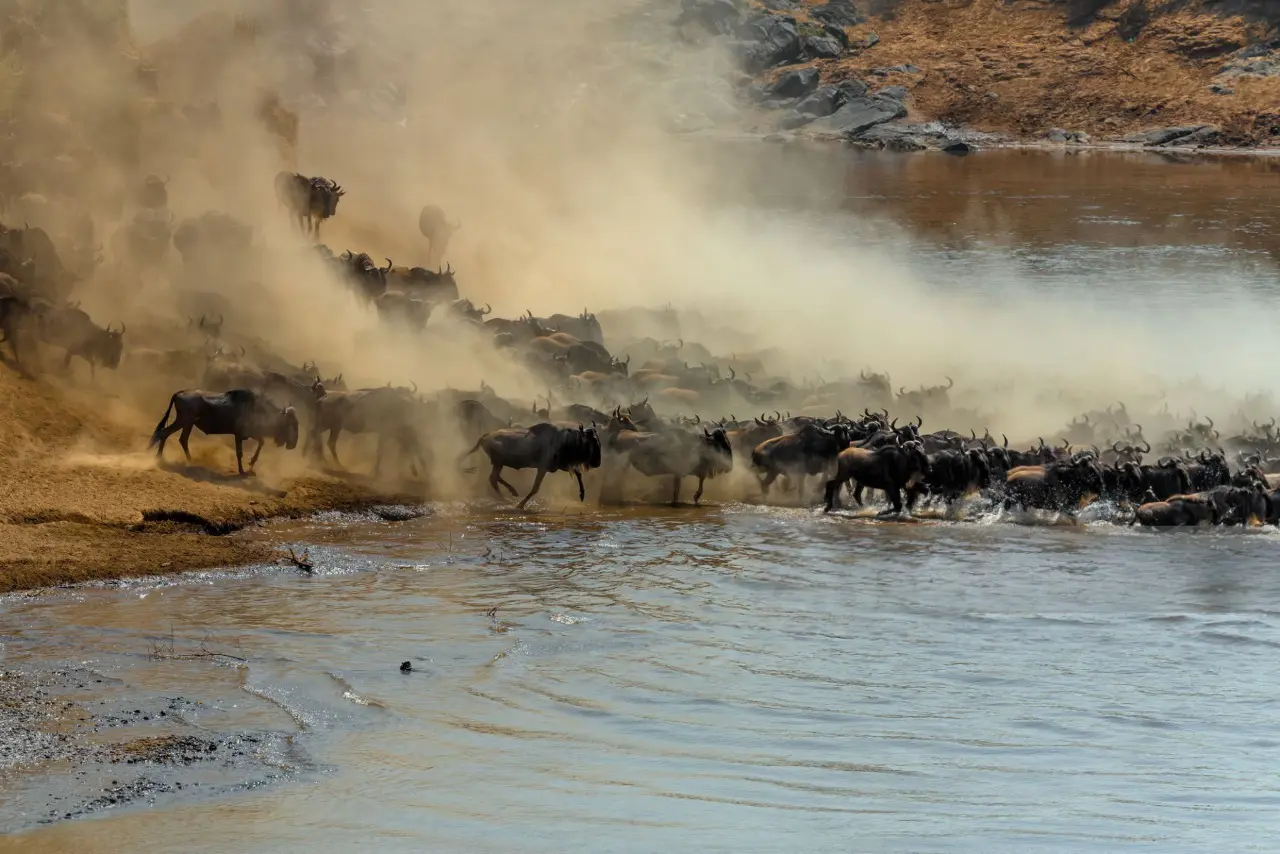
Camera settings require constant adjustment in the dynamic safari environment. Fast shutter speeds capture running cheetahs and leaping gazelles, while slower speeds can create artistic motion blur effects. Understanding depth of field helps isolate subjects from busy backgrounds, creating professional-quality wildlife portraits that stand out.
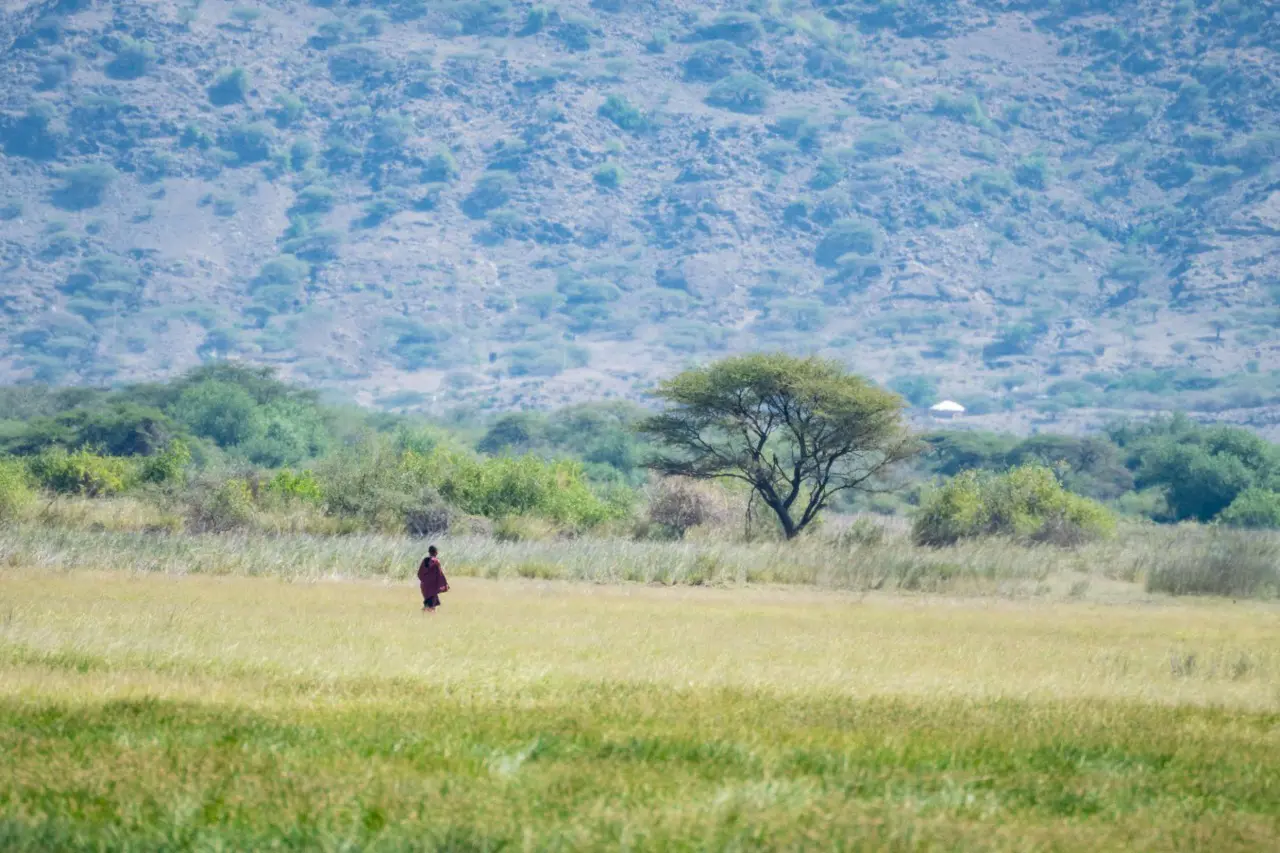
Composition techniques become crucial when photographing in the vast African landscape. The rule of thirds helps position animals effectively within the frame, while leading lines created by rivers, paths, or terrain features draw viewers into the image. Including environmental context showcases animals in their natural habitat rather than creating zoo-like portraits.
Patience often determines photographic success in safari settings. Waiting for the perfect moment - a lion yawning, an elephant throwing dust, or birds taking flight - separates exceptional images from merely good ones. Our guides understand when to wait and when to move to new locations for better opportunities.
Equipment considerations include bringing extra batteries, memory cards, and lens cleaning supplies. Dust protection becomes essential in the African environment. Telephoto lenses allow close-up shots while maintaining safe distances from wildlife, respecting both animal welfare and guest safety.