
Experience the ultimate safari adventure at Kileleoni Mara Gateway Camp. Luxury safari accommodation in the heart of Maasai Mara with premium amenities and unparalleled wildlife viewing experiences.
Loading
Experience the ultimate safari adventure at Kileleoni Mara Gateway Camp. Luxury safari accommodation in the heart of Maasai Mara with premium amenities and unparalleled wildlife viewing experiences.

 Africa's Wildlife Kingdom

The Maasai Mara represents one of Africa's most spectacular wildlife destinations, home to the legendary Big Five and an extraordinary diversity of species that have captivated visitors for generations. Experience intimate encounters with these magnificent creatures in their natural habitat.
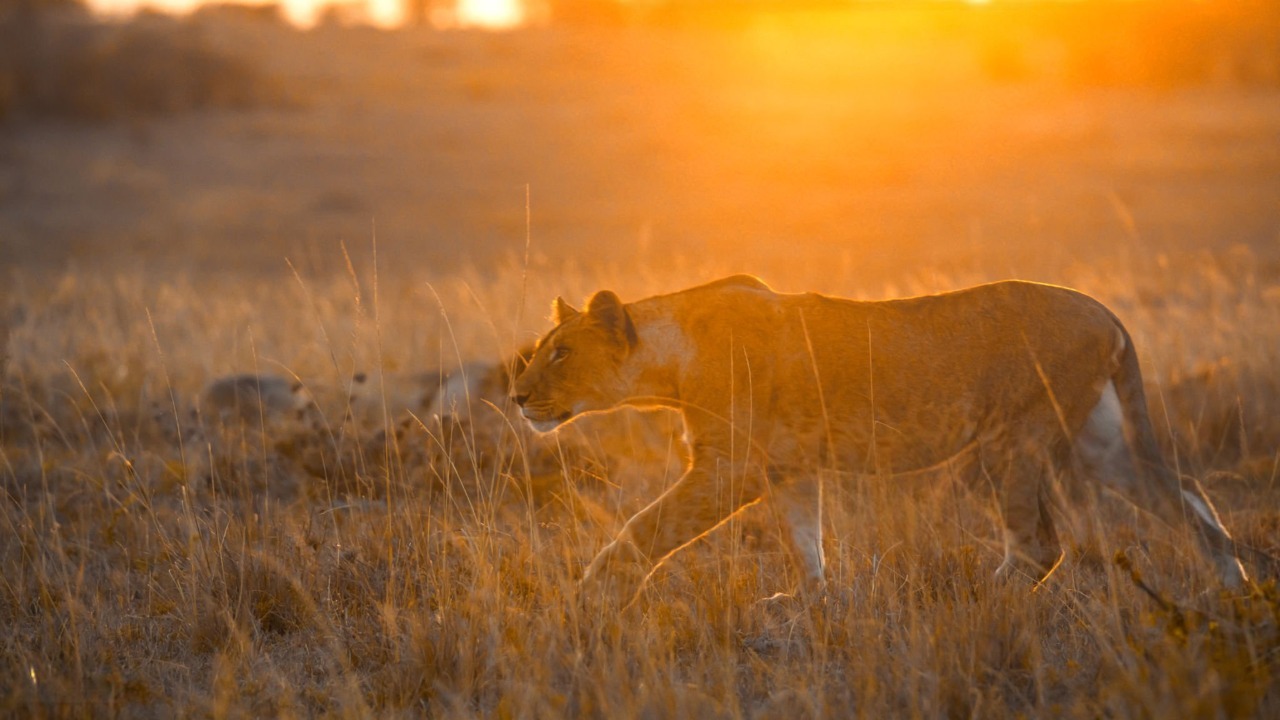
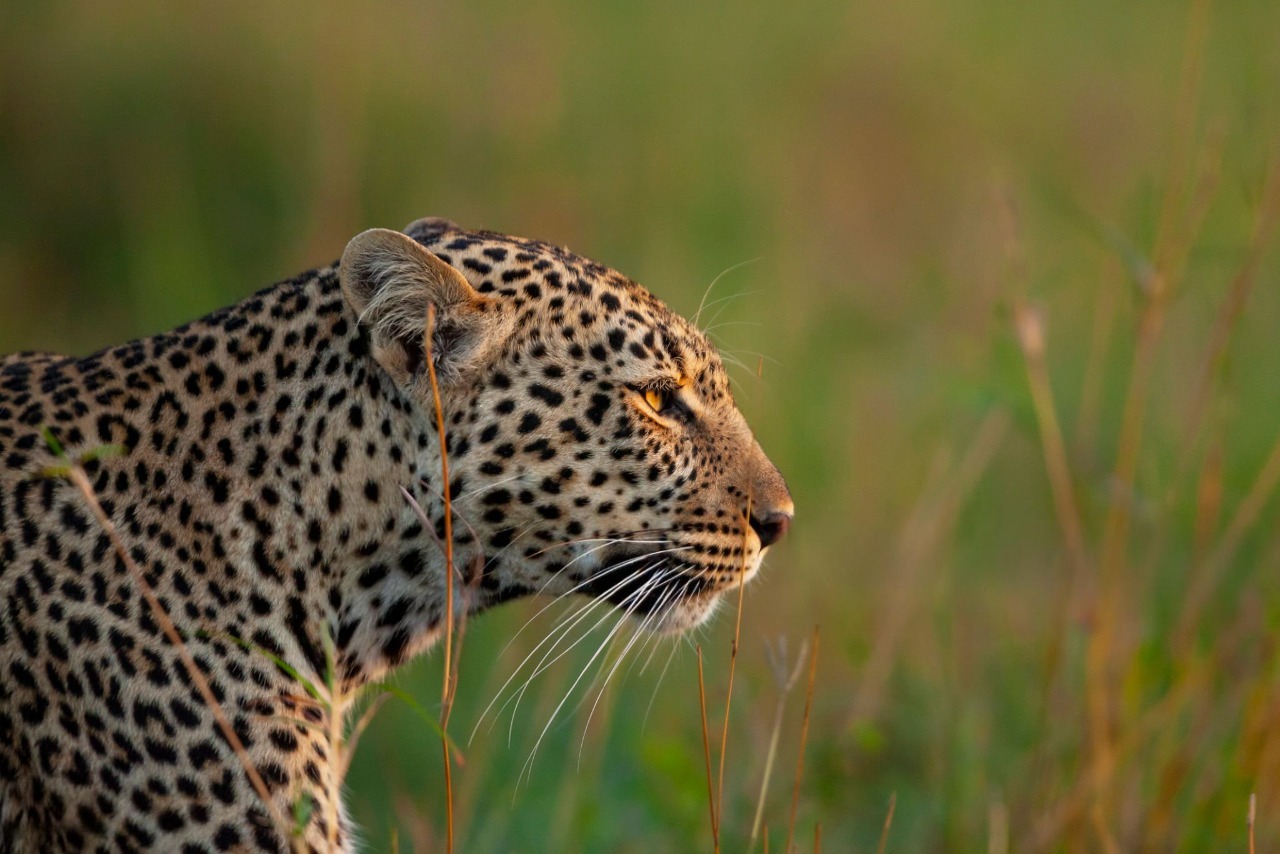
The term "Big Five" originated from big game hunting, referring to the five most dangerous and difficult animals to hunt on foot in Africa. Today, the Big Five represent the most sought-after wildlife sightings for safari enthusiasts visiting the Maasai Mara. From Kileleoni Mara Gateway's prime position in the Ol Chorro Oiroua Conservancy, guests have exceptional opportunities to encounter all five of these magnificent species in their natural habitat.
The Maasai Mara supports one of Africa's healthiest lion populations, with over 850 individuals roaming the greater ecosystem. These apex predators are organized into complex social structures called prides, typically consisting of related females, their offspring, and a coalition of dominant males. The open grasslands of the Mara provide ideal hunting grounds for lions, particularly during the Great Migration when prey animals are abundant.
Lion behavior in the Mara varies significantly between seasons, with pride dynamics becoming more complex during the migration period when territorial boundaries shift to accommodate the abundance of prey. Male coalitions patrol vast territories, engaging in dramatic confrontations with rivals while protecting their prides and offspring. The famous Marsh Pride, made popular by wildlife documentaries, represents one of the most studied lion populations in Africa, providing valuable insights into lion ecology and social behavior.
African elephants in the Maasai Mara are both residents and seasonal visitors, with family herds following ancient migration routes between the Mara and surrounding ecosystems. These intelligent giants demonstrate complex social behaviors, with matriarchal herds led by the oldest and most experienced female. The elephants' role as ecosystem engineers is crucial, as they create pathways through dense vegetation, disperse seeds across vast distances, and modify habitats that benefit numerous other species.
Elephant communication involves sophisticated vocalizations including infrasonic calls that travel for kilometers, allowing separated family members to maintain contact across the vast Mara landscape. Their memory and navigation abilities are legendary, with herds returning to specific locations based on seasonal patterns learned over generations. The conservation challenges facing Mara elephants include human-wildlife conflict and historical poaching pressure, though community conservation efforts have helped stabilize populations in recent years.
Leopards represent the most elusive of the Big Five, with their solitary nature and nocturnal hunting habits making sightings particularly rewarding for safari guests. The Maasai Mara's leopard population benefits from the diverse habitat types within the ecosystem, including riverine forests, rocky outcrops, and acacia woodlands that provide ideal hunting and denning opportunities. These adaptable cats are opportunistic hunters, taking prey ranging from small antelope to baboons and even young buffalo.
The territorial behavior of leopards involves scent marking and vocalizations that allow individuals to avoid direct confrontation while maintaining access to prime hunting areas. Female leopards raise their cubs in secluded dens, often located in dense vegetation or rocky crevices that provide protection from other predators. The famous leopards of the Mara, including individuals like "Fig" and her descendants, have provided researchers with valuable insights into leopard ecology and behavior patterns.
Both black and white rhinoceros species inhabit the greater Mara ecosystem, though their populations remain critically endangered due to historical poaching pressure. The Ol Chorro Oiroua Conservancy, where Kileleoni Mara Gateway is located, participates in rhinoceros conservation efforts including anti-poaching patrols and habitat protection measures. Black rhinos, browsers that feed on shrubs and trees, prefer the thicker vegetation along rivers and forest edges, while white rhinos are grazers that favor open grasslands.
Rhinoceros conservation in the Mara involves intensive protection measures including 24-hour monitoring of individual animals, dehorning programs to reduce poaching incentives, and community engagement initiatives that provide alternative livelihoods for local residents. The presence of rhinos serves as an indicator of ecosystem health, as these ancient herbivores require large territories and diverse vegetation communities to survive and reproduce successfully.
African buffalo in the Maasai Mara form some of the largest herds on the continent, with aggregations sometimes exceeding 1,000 individuals during favorable conditions. These formidable herbivores are considered one of Africa's most dangerous animals due to their unpredictable nature and protective herd behavior. Buffalo herds follow complex social hierarchies led by dominant bulls, with breeding herds consisting of females and young animals protected by bachelor groups of males.
The ecological role of buffalo includes habitat modification through their intensive grazing, which creates short grass areas preferred by other herbivores. Their wallowing behavior creates depressions that collect rainwater, providing drinking opportunities for smaller animals during dry periods. Buffalo serve as important prey for lions, with predator-prey interactions providing dramatic wildlife viewing opportunities that demonstrate the raw power and survival instincts of African wildlife.
While the Big Five capture most attention, the Maasai Mara's true significance lies in its extraordinary biodiversity, supporting 95 mammal species and over 570 bird species within its boundaries. Cheetahs, the world's fastest land animals, thrive in the open grasslands where their incredible speed provides advantages in hunting fleet-footed prey like Thomson's gazelles. The Mara's cheetah population faces challenges from competition with larger predators and habitat fragmentation, making conservation efforts crucial for their long-term survival.
Antelope diversity in the Mara is spectacular, with species ranging from tiny dikdiks weighing less than 5 kilograms to massive eland that can exceed 900 kilograms. Each species has evolved specific adaptations to exploit different ecological niches within the savanna ecosystem. Topi serve as sentinels, posting guards on termite mounds to watch for predators while herds feed. Grant's gazelles can survive without water for extended periods, obtaining moisture from their food, while waterbuck remain close to rivers and wetlands.
The complex web of predator-prey relationships in the Maasai Mara demonstrates the intricate balance that has evolved over millions of years. Hyenas, often misunderstood as mere scavengers, are actually skilled hunters responsible for a significant portion of kills in the ecosystem. Their powerful jaws and cooperative hunting strategies allow them to take prey as large as buffalo, while their scavenging activities provide essential ecosystem services by cleaning up carcasses and recycling nutrients.
Wild dogs, though rare in the Mara, represent one of Africa's most endangered predators. These highly social hunters demonstrate remarkable cooperation and communication during hunts, with pack members working together to exhaust prey over long distances. Their presence indicates ecosystem health, as wild dogs require large territories and abundant prey populations to maintain viable pack structures and successful reproduction rates.
Wildlife conservation in the Maasai Mara faces numerous challenges including human-wildlife conflict, habitat fragmentation, and climate change impacts. However, innovative conservation models like the community conservancies demonstrate how local communities can benefit economically from wildlife protection while maintaining traditional lifestyles. The success of conservancy partnerships has led to increased wildlife populations and improved habitat connectivity across the greater Mara ecosystem.
Tourism revenue from wildlife viewing provides crucial funding for conservation efforts, anti-poaching operations, and community development projects. The economic value of living wildlife far exceeds any extractive use, creating powerful incentives for protection and sustainable management. Educational programs help local communities understand the long-term benefits of conservation while providing practical training in wildlife monitoring and eco-tourism development.
Join us for unforgettable encounters with Africa's most iconic wildlife in their natural habitat