
Experience the ultimate safari adventure at Kileleoni Mara Gateway Camp. Luxury safari accommodation in the heart of Maasai Mara with premium amenities and unparalleled wildlife viewing experiences.
Loading
Experience the ultimate safari adventure at Kileleoni Mara Gateway Camp. Luxury safari accommodation in the heart of Maasai Mara with premium amenities and unparalleled wildlife viewing experiences.

 Walking Safari

Experience the Maasai Mara from a completely different perspective through guided walking safaris. Connect intimately with the ecosystem, discover the intricate details of savanna life, and enjoy the profound silence and sounds of the African wilderness on foot.
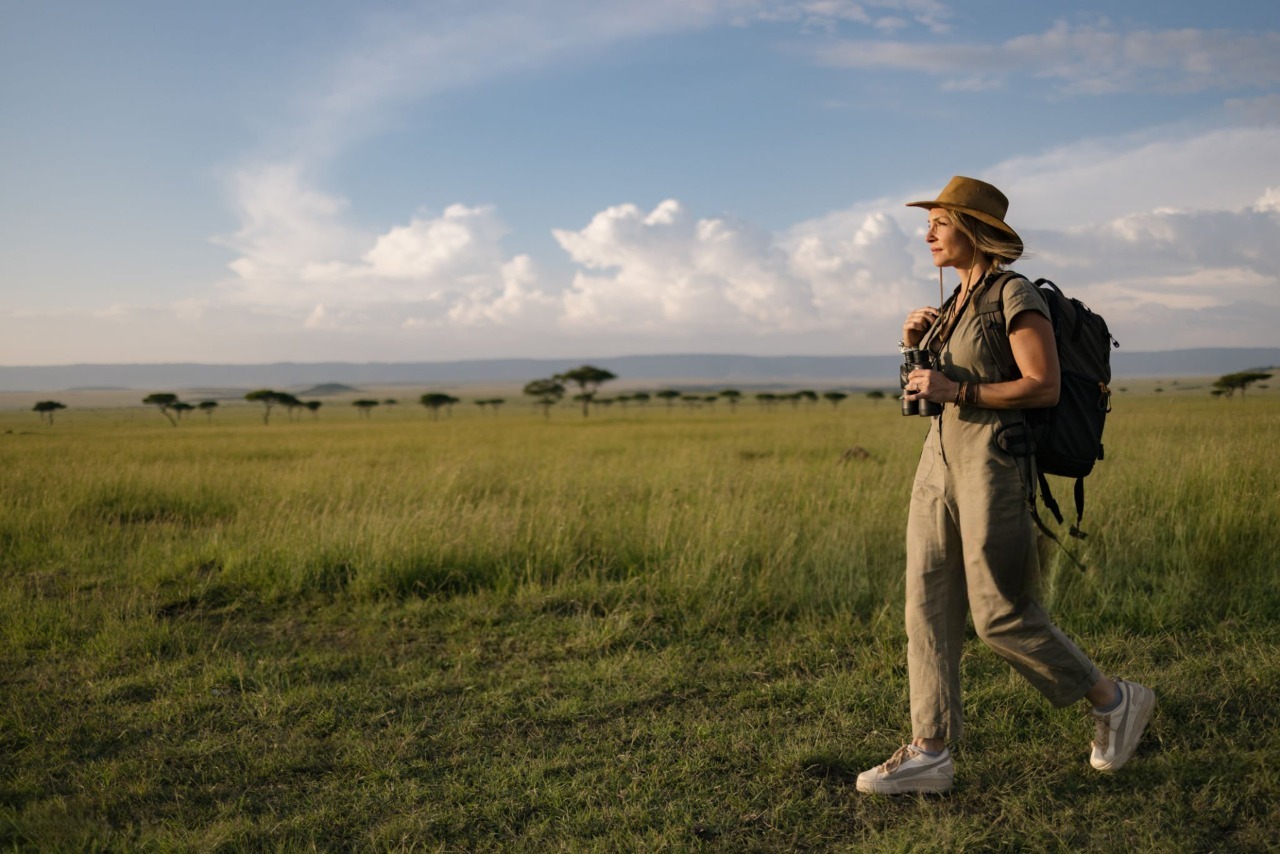
Walking safaris represent the purest form of wildlife experience, allowing guests to engage with the African wilderness in the same manner as our ancestors did for millennia. At Kileleoni Mara Gateway, our guided nature walks provide an intimate and immersive encounter with the Ol Chorro Oiroua Conservancy that simply cannot be replicated from the confines of a vehicle. These carefully planned expeditions reveal the intricate details of savanna ecology while providing opportunities for profound personal connection with one of the world's most magnificent ecosystems.
Walking safaris fundamentally transform the safari experience from passive observation to active participation in the ecosystem. When guests step out of vehicles and onto the ancient pathways of the Maasai Mara, they immediately become part of the landscape rather than mere observers passing through it. This transition requires heightened awareness, enhanced sensory engagement, and a deeper appreciation for the complex relationships that govern life in the African savanna. The pace of discovery slows dramatically, allowing for detailed examination of elements that would be impossible to appreciate from a moving vehicle.
The psychological impact of walking in wild Africa creates lasting impressions that extend far beyond typical safari experiences. The vulnerability inherent in foot travel through predator territory awakens primal instincts and awareness that have been dormant in modern human experience. This heightened state of consciousness allows guests to perceive subtle environmental cues, appreciate the complexity of ecological relationships, and develop a profound respect for the skills and knowledge required to survive and thrive in wilderness environments.
Walking safaris also provide opportunities for contemplation and spiritual reflection that are difficult to achieve in motorized safari experiences. The natural rhythm of walking, combined with the profound silence and spectacular beauty of the African landscape, creates ideal conditions for meditation, personal reflection, and deep appreciation of humanity's place within the broader natural world. Many guests describe walking safari experiences as transformative, providing perspectives and insights that influence their relationship with nature long after returning home.
All walking safaris at Kileleoni Mara Gateway are led by highly experienced and certified professional guides who possess specialized training in foot safari leadership, wilderness survival, and emergency response procedures. These guides undergo extensive training that includes not only wildlife behavior and ecological knowledge but also specialized skills in risk assessment, group management, and crisis response. The Kenya Wildlife Service requires specific licensing and certification for walking safari guides, ensuring that all leaders meet stringent safety and competency standards.
Our guides carry comprehensive safety equipment including two-way radio communication systems, first aid supplies, emergency signaling devices, and appropriate defensive equipment for wildlife encounters. Safety protocols are thoroughly briefed before each walk, with guests receiving detailed instruction on proper behavior, positioning, communication signals, and emergency procedures. The guide-to-guest ratio is strictly maintained to ensure adequate supervision and safety management, with a maximum of six guests per guide under normal conditions.
Route planning for walking safaris involves careful consideration of current wildlife activity, weather conditions, terrain characteristics, and guest fitness levels. Guides maintain constant communication with camp management and other field personnel to receive updated information about wildlife movements, particularly the location of potentially dangerous animals such as elephants, buffalo, and predators. This real-time intelligence allows guides to modify routes dynamically to maximize safety while optimizing wildlife viewing opportunities.
Walking safaris provide unparalleled opportunities for detailed ecological education and natural history interpretation that would be impossible during vehicle-based game drives. The slower pace and intimate scale of foot travel allows guides to examine and explain intricate details of plant communities, soil characteristics, insect behavior, and micro-habitats that form the foundation of the larger ecosystem. Guests learn to identify medicinal plants used by local communities, understand pollination relationships between plants and insects, and appreciate the complex adaptations that allow different species to thrive in the semi-arid environment.
Track and sign interpretation becomes a central focus of walking safaris, with guides teaching guests to read the landscape like a book written by the animals that inhabit it. Every footprint, scat deposit, feeding sign, and territorial marking tells a story about wildlife behavior, population dynamics, and ecological relationships. Guests learn to identify individual species by their tracks, estimate the size and age of animals from their spoor, and understand behavioral patterns through careful examination of feeding sites and territorial markers.
The geological history of the Maasai Mara becomes readily apparent during walking safaris, with guides explaining the volcanic origins of the landscape, the formation of the Great Rift Valley, and the ongoing geological processes that continue to shape the region. Rock formations, soil types, and topographical features all contribute to understanding the factors that influence wildlife distribution, plant communities, and water availability throughout the ecosystem.
The plant life of the Ol Chorro Oiroua Conservancy represents a treasure trove of botanical diversity, with over 400 plant species adapted to the varying conditions found throughout the ecosystem. Walking safaris provide opportunities to examine these plants closely, understanding their ecological roles, survival adaptations, and traditional uses by local Maasai communities. Many of these plants have been used for medicinal purposes for generations, with traditional knowledge passed down through oral traditions that represent centuries of accumulated wisdom about natural healing properties.
Acacia species dominate much of the landscape, with different varieties adapted to specific soil conditions and moisture availability. The distinctive umbrella thorn acacia provides crucial shade and browsing opportunities for numerous wildlife species, while its seed pods serve as important food sources during dry seasons. The fever tree acacia, with its distinctive yellow bark, indicates underground water sources and creates unique micro-habitats that support specialized plant and animal communities.
Medicinal plants identified during walking safaris include species used to treat everything from digestive disorders and respiratory ailments to wound healing and pain management. Guides explain traditional preparation methods, dosage considerations, and the cultural protocols surrounding the harvesting and use of medicinal plants. This knowledge provides insights into the sophisticated understanding of natural pharmacy that has sustained human communities in this region for millennia.
The Maasai Mara ecosystem supports over 570 recorded bird species, making it one of the world's premier birding destinations. Walking safaris provide optimal conditions for bird observation and identification, with the quiet approach and extended observation periods allowing for detailed study of avian behavior, feeding patterns, and ecological relationships. The diversity of habitats within the conservancy supports an extraordinary variety of bird species, from large raptors and ground-dwelling species to colorful songbirds and specialized wetland inhabitants.
Seasonal variations in bird populations add complexity and excitement to walking safari birding experiences. During European winter months, the conservancy hosts numerous migrant species that travel thousands of miles to escape harsh northern climates. These migrants interact with resident species in complex ways, sometimes competing for resources and other times filling specialized ecological niches that complement rather than conflict with resident bird communities.
Raptors play crucial roles in the ecosystem, with species ranging from massive martial eagles capable of taking small antelopes to tiny pygmy falcons that specialize in insects and small reptiles. Walking safaris often provide opportunities to observe raptors at close range, particularly when they are perched or engaged in hunting activities that would be disturbed by vehicle noise. Guides explain hunting strategies, territorial behaviors, and the conservation challenges facing various raptor species.
While large mammals dominate most safari experiences, walking safaris reveal the incredible diversity of smaller creatures that form the foundation of the Maasai Mara ecosystem. Small mammals, reptiles, amphibians, and invertebrates represent the vast majority of animal species in the conservancy, with many playing crucial roles in seed dispersal, pollination, pest control, and nutrient cycling that maintain ecosystem health and functionality.
Rodent species include numerous endemic and near-endemic varieties adapted to specific microhabitats within the savanna ecosystem. Ground squirrels, rock hyraxes, and various mouse and rat species have evolved sophisticated strategies for avoiding predation while exploiting different food sources and nesting sites. Walking safaris often provide opportunities to observe these species at close range, understanding their behavioral adaptations and ecological significance.
Reptile diversity in the conservancy is remarkable, with species ranging from massive Nile crocodiles in permanent water bodies to tiny chameleons and geckos that inhabit specific vegetation types. Snakes play important roles as both predators and prey, with species adapted to different hunting strategies, habitat preferences, and activity patterns. Guides are trained in reptile identification and safety protocols, ensuring that encounters with potentially dangerous species are managed appropriately while providing educational opportunities for interested guests.
Walking safaris provide opportunities for guests to learn traditional tracking and bushcraft skills that have been refined by indigenous peoples over thousands of years. These skills represent sophisticated knowledge systems that enable humans to navigate, survive, and thrive in wilderness environments without modern technology. Learning these techniques provides insights into human adaptation and the development of the intimate knowledge required for sustainable coexistence with wildlife.
Animal tracking involves understanding the relationship between animal behavior and the physical signs left in the environment. Experienced trackers can determine not only species identification from tracks but also estimate the size, age, sex, and behavioral state of animals from their spoor. This information allows trackers to predict animal movements, understand territorial patterns, and locate animals for observation or hunting purposes. The skills required for effective tracking include detailed knowledge of animal behavior, understanding of weather effects on sign preservation, and the ability to read subtle environmental cues.
Navigation techniques using natural indicators provide alternatives to modern GPS technology, with experienced guides demonstrating how to use sun position, star patterns, wind direction, vegetation changes, and topographical features to maintain orientation and determine direction. These skills require understanding of seasonal variations, weather patterns, and the relationship between different environmental factors that remain consistent over time.
Walking safaris offer unique photographic opportunities that differ significantly from vehicle-based photography. The ground-level perspective, intimate viewing distances, and extended observation periods allow for detailed documentation of animal behavior, plant characteristics, and landscape features that would be difficult or impossible to capture from vehicles. The challenge of photographing while maintaining appropriate safety distances and minimizing disturbance to wildlife requires skill and patience that many photographers find rewarding and educational.
Macro photography opportunities abound during walking safaris, with countless subjects including insects, flowers, leaves, bark textures, and geological formations. The ability to position cameras at ground level and spend extended time composing shots allows for creative perspectives and detailed documentation of elements that are often overlooked during faster-paced safari activities. Guides assist photographers in identifying interesting subjects and understanding the behaviors and characteristics that make for compelling imagery.
Wildlife behavior documentation during walking safaris often captures more natural and relaxed animal behavior compared to vehicle-based encounters. Many species are less disturbed by quiet human presence on foot than by engine noise and vehicle movement, particularly when guides use proper approach techniques and maintain respectful distances. This allows for observation and photography of feeding behavior, social interactions, and natural movement patterns that provide valuable insights into animal ecology and behavior.