
Experience the ultimate safari adventure at Kileleoni Mara Gateway Camp. Luxury safari accommodation in the heart of Maasai Mara with premium amenities and unparalleled wildlife viewing experiences.
Loading
Experience the ultimate safari adventure at Kileleoni Mara Gateway Camp. Luxury safari accommodation in the heart of Maasai Mara with premium amenities and unparalleled wildlife viewing experiences.

 Nature's Greatest Spectacle

Witness the world's most spectacular wildlife phenomenon as over two million animals undertake their ancient journey across the Mara River. From July to November, the Maasai Mara becomes the stage for nature's greatest show on Earth.
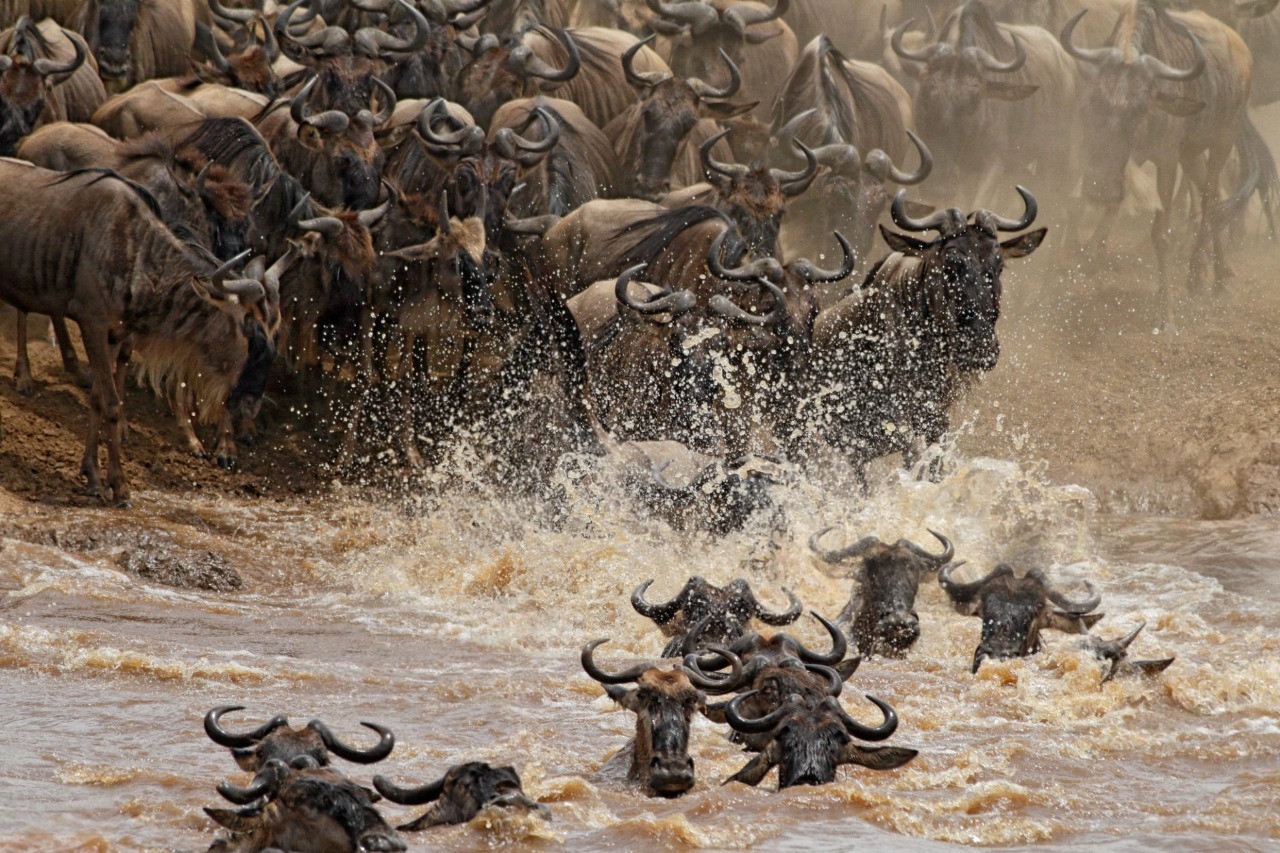
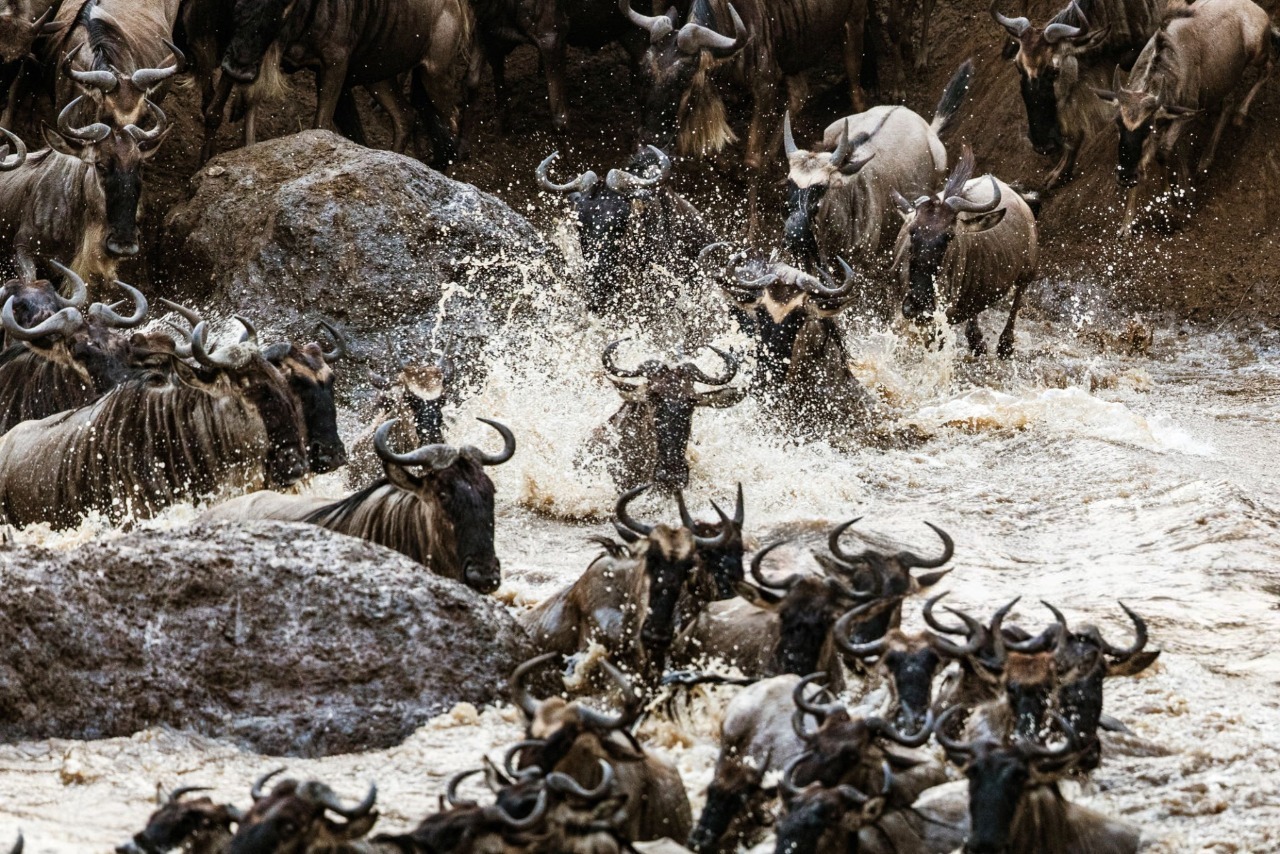
The Great Migration is the largest movement of animals on the planet, involving over two million wildebeest, zebras, and gazelles in an endless cycle between the Serengeti and Maasai Mara. This ancient journey, driven by the search for fresh grasslands and water, creates one of the world's most dramatic natural spectacles and represents the last great migration of its kind on Earth.
The Mara River crossings represent the most dramatic and dangerous phase of the migration, where millions of animals must overcome their fear to cross crocodile-infested waters. Between July and November, herds gather on the riverbanks, sometimes for days, before the collective courage builds enough for the crossing to begin. When it does, the spectacle is both breathtaking and heart-wrenching as thousands of animals plunge into the murky waters.
The timing of crossings is unpredictable, influenced by weather conditions, water levels, and complex herd dynamics that scientists still don't fully understand. Some crossings involve just a few hundred animals, while others see tens of thousands crossing simultaneously in a chaotic surge of survival instinct. The presence of massive Nile crocodiles, some over 20 feet long, adds a predatory dimension that claims thousands of lives but is essential to the ecosystem's balance.
The migration follows predictable seasonal patterns tied to rainfall and grass growth across the Serengeti-Mara ecosystem. Herds typically arrive in the Maasai Mara between July and August, following the completion of calving season in the southern Serengeti. The timing can vary by several weeks depending on rainfall patterns, with early or late rains significantly affecting migration schedules and routes.
Peak migration activity occurs from September through October when the largest herds are present and river crossings are most frequent. During this period, the Mara supports the highest concentration of large mammals anywhere on Earth, creating extraordinary wildlife viewing opportunities and intense predator activity. The return journey south typically begins in November as the short rains commence in the Serengeti.
The Great Migration involves multiple species traveling together in a complex ecosystem of mutual benefit and competition. Wildebeest form the backbone of the migration, with approximately 1.5 million individuals following ancient genetic programming that compels them to move in search of optimal grazing conditions. These animals are born to move, with calves able to run within minutes of birth and join the migrating herds.
Zebras serve as the advance guard of the migration, with their superior eyesight and hearing providing early warning systems for the herds. Their grazing habits also benefit wildebeest by creating short grass areas that expose new growth preferred by their traveling companions. Thomson's gazelles and Grant's gazelles accompany the herds in smaller numbers, taking advantage of the protection provided by the massive assemblages while exploiting specific feeding opportunities.
The migration creates exceptional hunting opportunities for predators, leading to increased reproductive success and complex predator-prey dynamics. Lions experience their most prosperous period during the migration, with prides expanding their territories and producing more cubs due to abundant food availability. The famous river crossings attract predators from across the region, creating temporary concentrations of carnivores rarely seen elsewhere.
Crocodiles play a unique role in migration dynamics, with some individuals growing to enormous sizes by feeding almost exclusively during the crossing season. These ancient reptiles can survive for months on the nutrition gained from migration kills, remaining dormant between crossing seasons. Their presence has shaped migration behavior over millions of years, with herds developing complex strategies to minimize losses while maintaining their essential river crossings.
The migration includes one of nature's most remarkable birth events, with approximately 8,000 wildebeest calves born daily during peak calving season in the southern Serengeti. This synchronized birthing strategy overwhelms predators with abundance, ensuring higher survival rates for individual calves. The timing of births is precisely coordinated with grass growth cycles and migration schedules.
Newborn calves must be able to travel within days of birth, creating intense evolutionary pressure for rapid development and mobility. The mother-calf bond is crucial for survival during the challenging journey north to the Mara, with mothers employing various strategies to protect their offspring from predators and environmental hazards during river crossings and long-distance travel.
Climate patterns across East Africa directly influence migration timing, routes, and success rates. The El Niño and La Niña weather phenomena can significantly alter rainfall patterns, leading to unusual migration behavior such as delayed movements, alternative routes, or extended stays in specific areas. These variations demonstrate the adaptability of migrating species while highlighting their vulnerability to environmental changes.
Drought conditions can create catastrophic scenarios for migrating herds, with water shortages and poor grass quality leading to increased mortality rates and altered movement patterns. Conversely, excessive rainfall can create flooding conditions that make river crossings even more treacherous while potentially disrupting traditional timing and routes that herds have followed for generations.
The Great Migration represents one of the few remaining intact large-scale animal movements on Earth, making its conservation crucial for maintaining global biodiversity and ecosystem function. The migration supports not only the participating species but also numerous other animals that depend on the ecological processes generated by the massive herds, including nutrient cycling, seed dispersal, and habitat modification.
Modern threats to the migration include habitat fragmentation from human development, climate change impacts on rainfall patterns, and potential barriers such as roads and settlements that could disrupt traditional routes. Conservation efforts focus on maintaining corridor connectivity between the Serengeti and Mara ecosystems while supporting community-based conservation initiatives that provide economic alternatives to activities that might threaten migration routes.
Kileleoni Mara Gateway's strategic location within the Ol Chorro Oiroua Conservancy provides privileged access to prime migration viewing areas with reduced vehicle congestion compared to the main national reserve. The conservancy's exclusive access allows for extended viewing sessions at river crossing points and positioning that maximizes photographic opportunities while minimizing disturbance to the animals.
Our experienced guides possess intimate knowledge of migration patterns, traditional crossing points, and optimal timing for witnessing different aspects of this spectacular phenomenon. The combination of expert guiding, strategic positioning, and flexible scheduling ensures that guests have the best possible opportunities to witness and document one of nature's most extraordinary events during their stay at Kileleoni Mara Gateway.
Join us during migration season for front-row seats to nature's greatest spectacle