
Experience the ultimate safari adventure at Kileleoni Mara Gateway Camp. Luxury safari accommodation in the heart of Maasai Mara with premium amenities and unparalleled wildlife viewing experiences.
Loading
Experience the ultimate safari adventure at Kileleoni Mara Gateway Camp. Luxury safari accommodation in the heart of Maasai Mara with premium amenities and unparalleled wildlife viewing experiences.

 Dawn Dining

Begin your African adventure with a magical breakfast experience in remote locations throughout the Ol Chorro Oiroua Conservancy. Savor gourmet cuisine while watching the sun rise over the Maasai Mara and wildlife begins their daily activities.
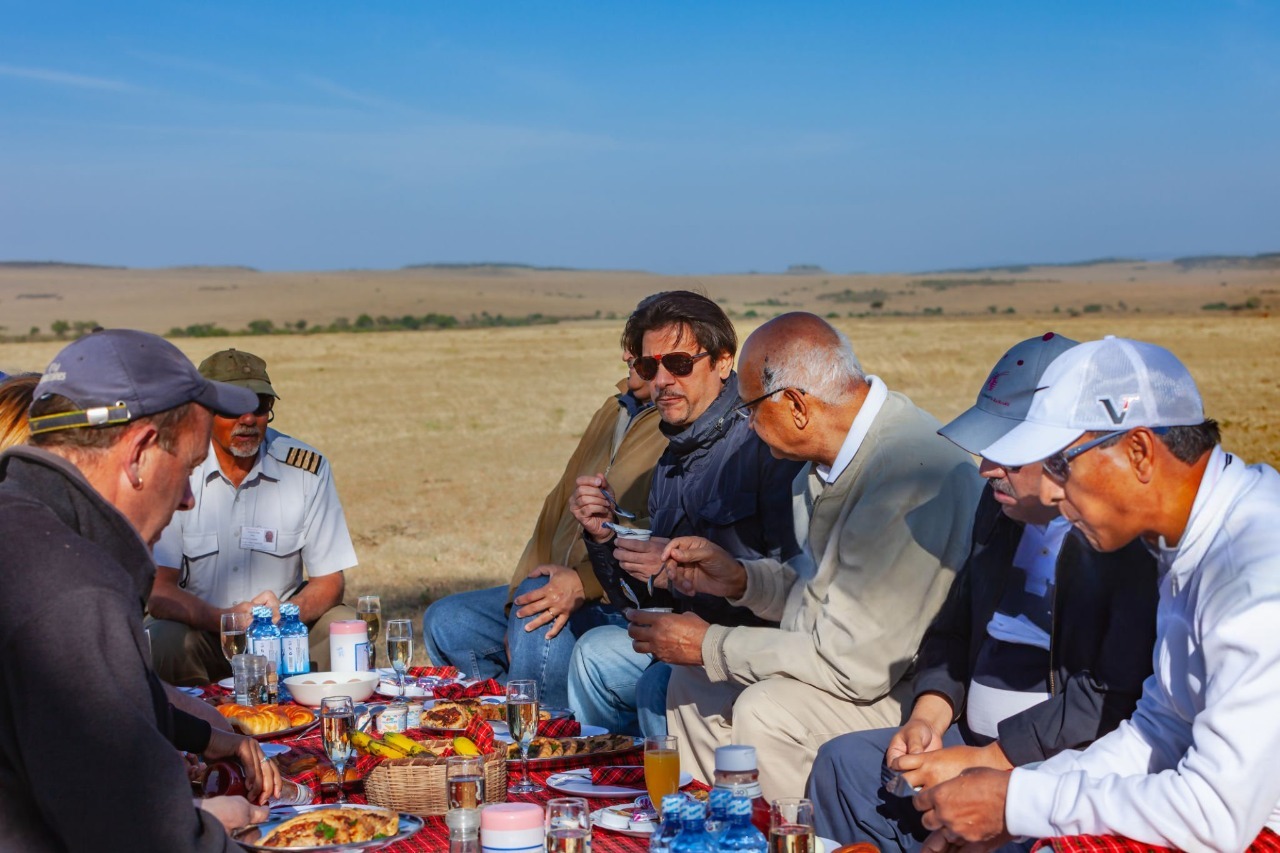
There are few experiences more magical than enjoying a perfectly prepared breakfast while watching the African sun rise over the endless plains of the Maasai Mara. At Kileleoni Mara Gateway, our picnic breakfasts transform the simple act of morning dining into an extraordinary wilderness adventure that combines gourmet cuisine with spectacular scenery and unparalleled wildlife viewing opportunities. These carefully orchestrated experiences capture the romance and adventure of classic safari traditions while incorporating modern culinary excellence and environmental consciousness.
Creating a sophisticated breakfast service in remote wilderness locations requires meticulous planning, exceptional logistics coordination, and unwavering attention to detail. Our team begins preparation before dawn, transporting everything necessary for a complete dining experience to carefully selected locations throughout the Ol Chorro Oiroua Conservancy. The selection of breakfast sites is based on multiple criteria including scenic beauty, wildlife viewing potential, accessibility, and environmental sensitivity, with each location offering unique advantages and spectacular perspectives on the African landscape.
The logistics of wilderness breakfast service involve transporting not only food and beverages but also tables, chairs, linens, serving equipment, cooking facilities, and safety equipment to remote locations before guests arrive. This requires coordinated efforts between kitchen staff, guides, and logistics personnel, with contingency plans in place for weather changes, wildlife activity, and other variables that could affect the dining experience. The setup process is designed to minimize environmental impact while creating an atmosphere of refined elegance that enhances rather than detracts from the natural setting.
Temperature management represents one of the greatest challenges in wilderness breakfast service, with hot foods needing to remain at proper serving temperatures despite transportation and setup time. Our kitchen team employs specialized thermal containers, portable warming equipment, and carefully timed preparation schedules to ensure that every element of the breakfast arrives at the perfect temperature. Cold items are maintained using portable refrigeration systems that operate independently of vehicle engines, ensuring food safety and quality throughout the service period.
The breakfast menus for our picnic experiences represent a sophisticated fusion of international breakfast traditions with local East African flavors and ingredients. Our culinary team works with locally sourced produce whenever possible, incorporating tropical fruits, indigenous spices, and traditional preparation methods with contemporary cooking techniques to create memorable flavor profiles that reflect the authentic taste of Kenya. The menu development process considers not only taste and nutrition but also the practical constraints of outdoor preparation and service.
Fresh fruit selections typically include locally grown mangoes, papayas, pineapples, and seasonal fruits that are at their peak ripeness and flavor. These fruits are carefully selected from local suppliers and prepared fresh on-site to ensure optimal taste and nutritional value. The tropical fruit component of the breakfast provides essential vitamins and minerals while offering refreshing flavors that complement the other elements of the meal and help guests maintain hydration in the African climate.
Protein options include both international favorites and local specialties, with eggs prepared to individual preferences using portable cooking equipment that allows for precise temperature control and consistent results. Locally sourced sausages, bacon, and traditional East African meat preparations provide variety and authentic regional flavors. Vegetarian and vegan options are carefully planned to ensure that dietary restrictions never compromise the quality or creativity of the breakfast experience, with plant-based proteins and innovative preparations that satisfy diverse nutritional needs.
The selection of locations for picnic breakfasts involves careful consideration of multiple factors that contribute to creating memorable experiences while ensuring guest safety and environmental protection. Each breakfast site is chosen for its unique scenic qualities, with locations offering panoramic views of the Maasai Mara landscape, interesting geological formations, or special wildlife viewing opportunities that enhance the dining experience. The diversity of available locations allows for variety in experiences, ensuring that repeat guests encounter new perspectives and scenery during subsequent visits.
Sunrise positions are carefully calculated to ensure optimal lighting conditions during the breakfast service, with locations selected to provide spectacular sunrise views without requiring guests to stare directly into the sun during their meal. The positioning of seating and table arrangements takes advantage of natural topographical features that provide both comfort and optimal viewing angles, with considerations for wind patterns, shade availability, and proximity to interesting landscape features that enhance the overall experience.
Wildlife corridors and water sources influence location selection, as these areas typically offer enhanced opportunities for animal observations during the early morning hours when many species are most active. However, safety considerations always take precedence, with breakfast sites positioned at appropriate distances from areas of high predator activity or dangerous animal concentrations. The proximity to wildlife must be balanced with guest safety, environmental protection, and the practical requirements of food service in wilderness conditions.
Early morning hours in the Maasai Mara provide some of the best wildlife viewing opportunities of the day, as many species are most active during the cool temperatures that follow dawn. Picnic breakfast locations are strategically selected to maximize opportunities for wildlife observations while guests enjoy their meals, creating unique situations where dining and game viewing combine to create unforgettable experiences. The behavior of animals during morning hours often differs significantly from their activity patterns later in the day, providing insights into natural behaviors that are rarely observed during conventional game drives.
Herbivorous species typically begin feeding activities shortly after dawn, taking advantage of cooler temperatures and higher moisture content in grasses and other vegetation. This creates excellent opportunities for observing natural feeding behaviors, social interactions, and the complex relationships between different species as they compete for or share food resources. The early morning feeding period often reveals territorial behaviors, herd dynamics, and individual animal personalities that provide educational value beyond simple wildlife viewing.
Predator activity during early morning hours can be particularly exciting, as many carnivorous species conclude their hunting activities around dawn or begin territorial patrols that establish their presence for the day ahead. Lions, leopards, and cheetahs may be encountered returning from successful hunts, engaging in social behaviors within their family groups, or positioning themselves for opportunistic hunting as prey species become active. These encounters provide rare insights into predator ecology and behavior while adding elements of excitement and unpredictability to the breakfast experience.
Seasonal variations in weather patterns, wildlife distribution, and landscape characteristics create distinct differences in picnic breakfast experiences throughout the year. During the dry season, clear skies and minimal rainfall create optimal conditions for outdoor dining, with spectacular sunrise displays and excellent visibility for landscape photography and wildlife observation. The concentration of animals around permanent water sources during dry periods often enhances wildlife viewing opportunities, though the increased animal density requires careful site selection to maintain appropriate safety margins.
Wet season breakfast experiences offer their own unique advantages, including lush green landscapes, dramatic cloud formations, and increased bird activity as migrant species arrive to take advantage of abundant food resources. However, weather unpredictability during wet seasons requires flexible planning and alternative arrangements, with covered locations available and modified service procedures that account for potential rainfall. The fresh, clean air following rainstorms and the vibrant colors of wet season vegetation create spectacular photographic opportunities and sensory experiences that many guests find particularly memorable.
Temperature variations between seasons affect not only guest comfort but also food service requirements, with hot season breakfasts requiring additional shade arrangements and increased emphasis on cold beverages and fresh fruits. Cold season experiences may include portable heating elements and warm beverage service that extends beyond traditional breakfast offerings. The seasonal timing of sunrise also influences scheduling, with service times adjusted to account for seasonal variations in daylight hours and optimal lighting conditions.
Picnic breakfast experiences provide excellent opportunities for conservation education and environmental awareness, with guides using the intimate setting and extended time periods to discuss complex ecological relationships, conservation challenges, and the role of responsible tourism in protecting fragile ecosystems. The scenic beauty and wildlife encounters that characterize breakfast locations create natural teaching moments that help guests understand the interconnections between different components of the ecosystem and the importance of maintaining ecological balance.
The relationship between tourism revenue and conservation funding becomes readily apparent during breakfast discussions, with guides explaining how tourism activities directly support wildlife protection, habitat restoration, and community development programs. Guests learn about the economic incentives that make wildlife conservation financially viable for local communities, understanding how their breakfast experience contributes to broader conservation goals that extend far beyond their immediate visit.
Environmental impact discussions during breakfast service help guests understand the principles of Leave No Trace ethics and sustainable tourism practices. All waste materials generated during breakfast service are carefully collected and transported back to camp for proper disposal or recycling, demonstrating practical environmental responsibility while explaining the broader implications of human activity in wilderness areas. These educational components enhance the value of the experience while promoting environmental consciousness that guests can apply in their own lives.
The golden light of early morning provides optimal conditions for landscape and wildlife photography, with soft, warm illumination that enhances colors and creates dramatic shadows that add depth and interest to images. Picnic breakfast locations are selected with photography opportunities in mind, offering diverse subjects including sweeping landscape vistas, intimate wildlife portraits, and detailed macro subjects that take advantage of the excellent lighting conditions characteristic of the golden hour following sunrise.
Technical photography considerations during breakfast experiences include understanding the rapid changes in lighting conditions as the sun rises, with exposure settings needing frequent adjustment to account for increasing light levels and changing color temperatures. The extended time at each location allows photographers to experiment with different compositions, waiting for optimal wildlife positioning, and capturing behavioral sequences that tell stories about animal ecology and natural relationships.
Wildlife photography during breakfast periods often benefits from the relaxed behavior of animals during early morning hours, when many species are less alert to human presence and more focused on feeding and social activities. This provides opportunities for natural behavior documentation and intimate portraits that capture personality characteristics and individual animal features. The combination of excellent lighting, relaxed animal behavior, and extended observation periods creates ideal conditions for both amateur and professional wildlife photography.
Picnic breakfast experiences often incorporate elements of local Maasai culture, with traditional foods, preparation methods, and cultural presentations that provide authentic insights into indigenous lifestyles and customs. Local community members may be involved in food preparation, service, or cultural demonstrations that add educational value while providing economic opportunities for community development. These cultural components help guests understand the human dimension of conservation and the important role that local communities play in wildlife protection and habitat preservation.
Traditional Maasai breakfast foods and preparation methods provide interesting contrasts to international cuisine, with ingredients like fermented milk, traditional grains, and indigenous fruits offering authentic tastes of local culture. The explanation of traditional food systems helps guests understand the sophisticated knowledge that enables human communities to thrive in challenging environments while maintaining sustainable relationships with natural resources. These cultural food experiences often become highlights of the breakfast service, providing memorable tastes and educational insights that extend understanding beyond wildlife observation.
The involvement of local community members in breakfast service provides opportunities for direct cultural exchange, with guests able to interact with local people and learn about contemporary Maasai life, challenges, and aspirations. These personal interactions often lead to deeper understanding of the complex relationships between traditional cultures and modern conservation efforts, demonstrating how tourism can provide sustainable economic alternatives that support both cultural preservation and environmental protection.