
Experience the ultimate safari adventure at Kileleoni Mara Gateway Camp. Luxury safari accommodation in the heart of Maasai Mara with premium amenities and unparalleled wildlife viewing experiences.
Loading
Experience the ultimate safari adventure at Kileleoni Mara Gateway Camp. Luxury safari accommodation in the heart of Maasai Mara with premium amenities and unparalleled wildlife viewing experiences.

 Nature's Greatest Show

Experience the awe-inspiring Great Migration, where over 1.5 million wildebeest, zebras, and gazelles undertake their ancient journey across the Mara River. Witness dramatic river crossings and predator-prey interactions in this ultimate display of survival and instinct.
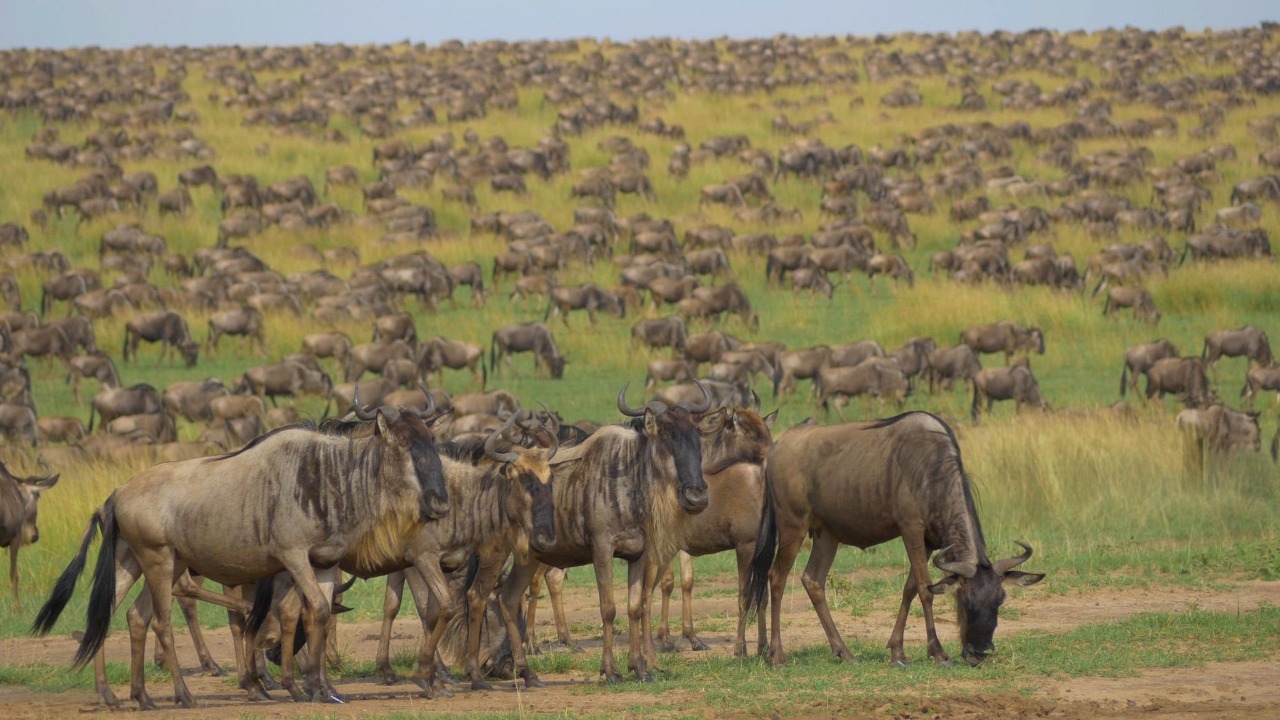
The Great Migration represents the largest movement of land animals on Earth, an ancient cyclical journey that has continued uninterrupted for millions of years across the vast plains of the Serengeti-Mara ecosystem. At Kileleoni Mara Gateway, positioned strategically within the Ol Chorro Oiroua Conservancy adjacent to the Maasai Mara National Reserve, guests have unparalleled access to witness this extraordinary natural phenomenon during its most dramatic phase when massive herds cross the treacherous waters of the Mara River between July and November each year.
The Great Migration follows ancient pathways that have been genetically encoded in the collective memory of East African herbivores for over two million years. This remarkable journey covers approximately 3,000 kilometers in a roughly circular route between the southern Serengeti plains of Tanzania and the northern reaches of the Maasai Mara in Kenya. The migration is driven primarily by the search for fresh grazing and water, with herds following seasonal rainfall patterns that determine grass growth and water availability across the ecosystem.
The timing and routes of the migration vary from year to year depending on rainfall patterns, grass conditions, and environmental factors that influence the decisions of lead animals within the herds. However, the general pattern remains remarkably consistent, with herds typically arriving in the Maasai Mara between July and August, remaining through September and October, and beginning their return journey to the Serengeti by November. This timing coincides with the dry season in the Mara, when the northern grasslands provide superior grazing compared to the increasingly arid conditions in the southern Serengeti.
The composition of migrating herds is complex and dynamic, with different species exhibiting distinct movement patterns and social structures during the journey. Wildebeest form the majority of migrating animals, traveling in massive herds that can stretch for dozens of kilometers across the landscape. Zebras often lead the migration columns, their superior eyesight and hearing providing early warning of potential dangers, while their grazing habits prepare the grasslands for the wildebeest that follow. Thomson's gazelles, Grant's gazelles, and other antelope species accompany the main herds, taking advantage of the safety provided by large numbers while exploiting specific feeding opportunities.
The Mara River crossings represent the most dramatic and emotionally intense aspect of the Great Migration, where the ancient instinct to continue the journey confronts the immediate dangers posed by swift currents, steep banks, and Nile crocodiles waiting in the murky waters. These crossings typically occur at traditional fording points where generations of animals have crossed before, though the exact timing and location can vary based on water levels, herd behavior, and environmental conditions that influence the decisions of lead animals.
The psychology of river crossings involves complex herd dynamics where individual animals must overcome their fear of water and predators to follow the collective movement of the herd. Herds often gather on riverbanks for hours or even days, with animals seeming to assess the dangers and build courage for the crossing attempt. The actual crossing is typically triggered by a combination of factors including herd pressure, leadership by bold individuals, and environmental conditions that create perceived opportunities for safe passage.
Once a crossing begins, the spectacle becomes one of nature's most dramatic displays of survival instinct and collective behavior. Thousands of animals surge into the water simultaneously, creating chaos as they struggle against strong currents while avoiding the massive Nile crocodiles that have gathered in anticipation of this annual feast. The mortality rate during crossings is significant, with drowning, trampling, and predation claiming thousands of animals, yet the crossings continue as an essential component of the ancient migration cycle that has sustained these populations for millennia.
The arrival of millions of herbivores in the Maasai Mara creates extraordinary opportunities for predators, leading to increased hunting success, territorial competition, and complex predator-prey interactions that provide unparalleled wildlife viewing experiences. Lions, leopards, cheetahs, hyenas, and wild dogs all benefit from the abundance of prey, though each species employs different hunting strategies and targets different components of the migrating herds based on their specific capabilities and ecological niches.
Lion prides experience their most prosperous period during the migration, with easy access to prey allowing for increased survival rates among cubs and expanded territorial ranges for dominant males. The abundance of food reduces competition between pride members and allows for more complex social behaviors and interactions that are rarely observed during leaner periods. Pride coordination during migration hunts demonstrates the sophisticated hunting strategies that have evolved to take advantage of the seasonal abundance provided by migrating herds.
Crocodile populations in the Mara River experience their primary feeding opportunity during the migration crossings, with some individuals consuming enough food during this brief period to sustain them for months. The relationship between crocodiles and the migration represents one of nature's most ancient predator-prey relationships, with both species having co-evolved over millions of years to maintain this dramatic annual interaction. The positioning of crocodiles at crossing points demonstrates their ability to predict animal behavior and exploit predictable movement patterns for maximum hunting efficiency.
The Great Migration serves crucial ecological functions that extend far beyond the dramatic spectacle visible to observers, representing one of the most important natural processes for maintaining the health and diversity of the greater Serengeti-Mara ecosystem. The movement of millions of animals creates complex patterns of grazing pressure, nutrient distribution, seed dispersal, and habitat modification that influence plant communities, soil characteristics, and the distribution of other wildlife species throughout the ecosystem.
Grazing patterns created by migrating herds follow sophisticated strategies that prevent overgrazing while maximizing the utilization of available grass resources. The sequential grazing by different species creates a mosaic of grass heights and species compositions that benefit numerous other animals, from small mammals and birds that require specific habitat characteristics to large herbivores that prefer particular grass types and growth stages. This grazing succession demonstrates the complex ecological relationships that have evolved to optimize resource utilization across the ecosystem.
Nutrient cycling accelerated by the migration involves the transport of minerals and organic matter across vast distances, with animal waste depositing essential nutrients in areas that would otherwise lack sufficient soil fertility to support diverse plant communities. This nutrient transport system represents one of nature's most efficient fertilization processes, maintaining soil health and supporting the plant diversity that forms the foundation of the entire ecosystem food web.
Contemporary environmental challenges including climate change, habitat fragmentation, and human development pressures pose significant threats to the long-term sustainability of the Great Migration. Changing rainfall patterns affect the timing and distribution of grass growth, potentially disrupting the ancient cues that guide migration timing and routes. Extended droughts or unseasonable rainfall can create conditions that conflict with genetically programmed migration behaviors, leading to population stress and potential changes in traditional movement patterns.
Human development pressures along traditional migration corridors create barriers and conflicts that complicate the ancient journey, with roads, settlements, and agricultural areas fragmenting the landscape and creating new hazards for migrating animals. Conservation efforts focus on maintaining corridor connectivity and implementing land use practices that accommodate both human needs and wildlife movement requirements. The success of these conservation strategies will determine whether future generations will witness the continued spectacle of the Great Migration.
Water availability in key areas along migration routes has become increasingly critical as climate variability affects river flows and the reliability of seasonal water sources. The Mara River system, crucial for migration success, faces pressure from upstream water extraction, agricultural demand, and climate-related flow variations that could significantly impact migration patterns and success rates. Conservation efforts increasingly focus on watershed protection and water resource management as essential components of migration conservation.
The Great Migration provides some of the world's most spectacular wildlife photography opportunities, with dramatic scenes of river crossings, predator-prey interactions, and vast herds moving across endless plains creating compelling subjects for both amateur and professional photographers. The scale and drama of migration events require specific photographic techniques and equipment considerations, with opportunities ranging from sweeping landscape compositions to intimate behavioral documentation that captures individual animal experiences within the larger spectacle.
River crossing photography presents unique technical challenges and opportunities, with rapidly changing lighting conditions, unpredictable animal movements, and the need for telephoto equipment that allows for safe positioning while capturing detailed action sequences. The emotional intensity and dramatic nature of crossings create compelling storytelling opportunities for photographers who can document the full range of behaviors and outcomes that characterize these life-and-death struggles for survival.
Aerial photography opportunities during the migration reveal the true scale and patterns of animal movement that cannot be appreciated from ground level, with sweeping views of herds stretching to the horizon and geometric patterns created by animal trails and grazing areas. The combination of ground-level intimate documentation and aerial perspective shots provides comprehensive coverage of the migration experience that captures both individual animal stories and the broader ecological significance of this remarkable natural phenomenon.