
Conservation and tourism intersect powerfully in the Maasai Mara ecosystem, where responsible safari operations like Kileleoni Mara Gateway contribute directly to wildlife protection and community development. Our commitment to sustainable tourism practices ensures that every guest visit supports long-term conservation efforts while providing authentic African experiences.
The Maasai Mara faces significant conservation challenges, including habitat fragmentation, human-wildlife conflict, and climate change impacts. Tourism revenue provides crucial funding for anti-poaching operations, wildlife monitoring programs, and community conservation initiatives that address these challenges through collaborative approaches involving local stakeholders.
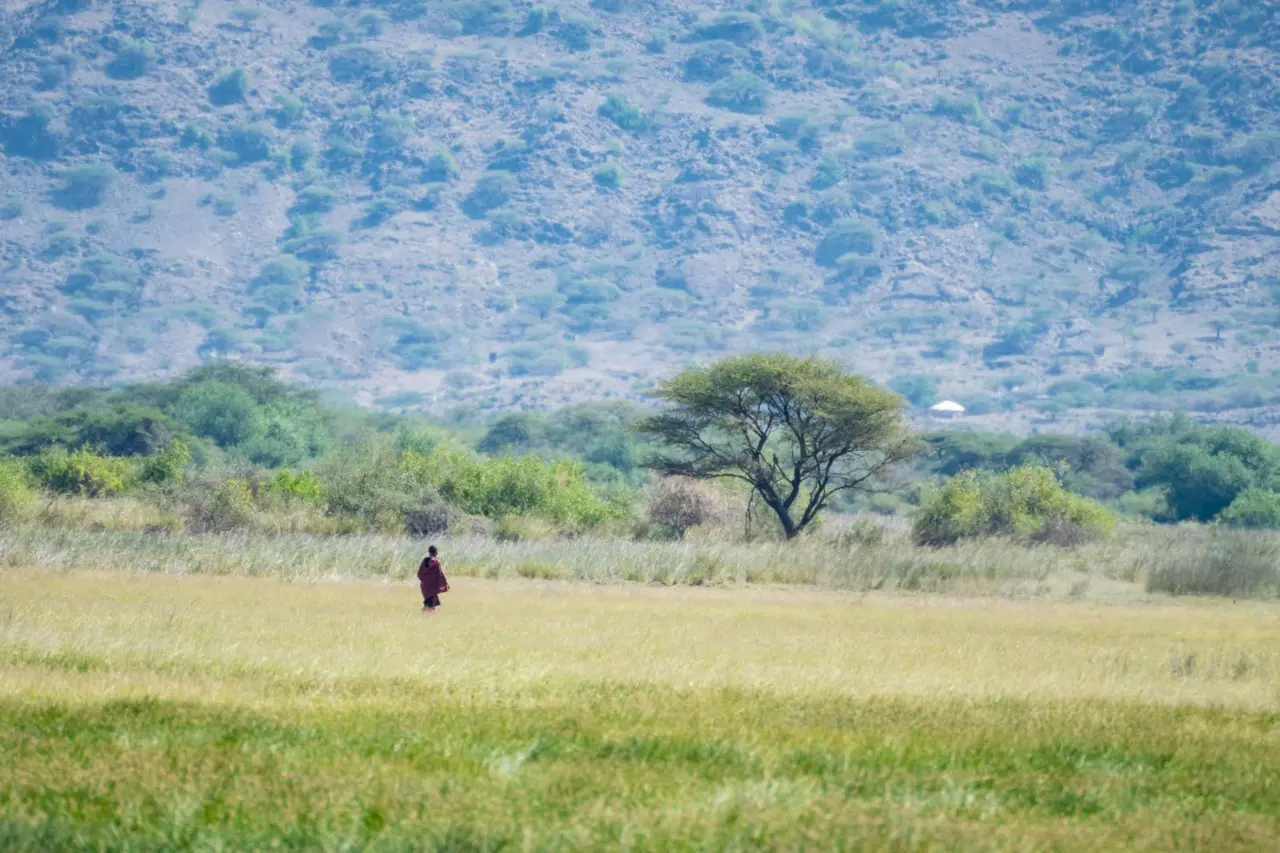
Community conservancies surrounding the Maasai Mara National Reserve demonstrate successful models of conservation through tourism. Local Maasai communities receive direct benefits from wildlife conservation through employment opportunities, revenue sharing, and capacity building programs that create sustainable livelihoods while protecting critical wildlife habitat.
Our eco-tourism practices minimize environmental impact through sustainable energy use, waste reduction programs, and water conservation measures. Solar power systems, locally-sourced materials, and minimal-impact construction techniques ensure our operations support rather than compromise the delicate ecosystem we depend on.
Educational programs integrated into safari experiences raise awareness about conservation challenges and successes. Guests learn about wildlife research projects, anti-poaching efforts, and community-based conservation initiatives, understanding how their visit contributes to these vital programs and long-term ecosystem protection.
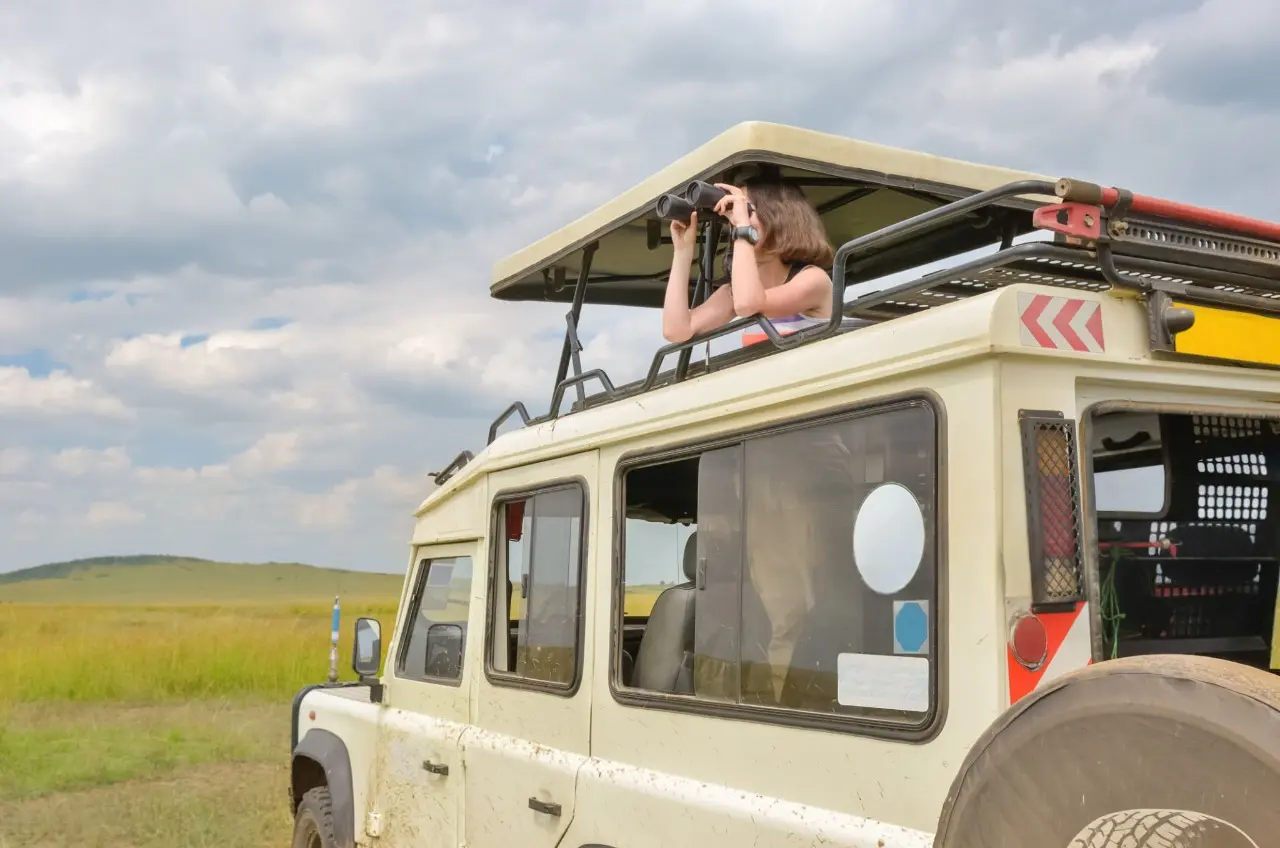
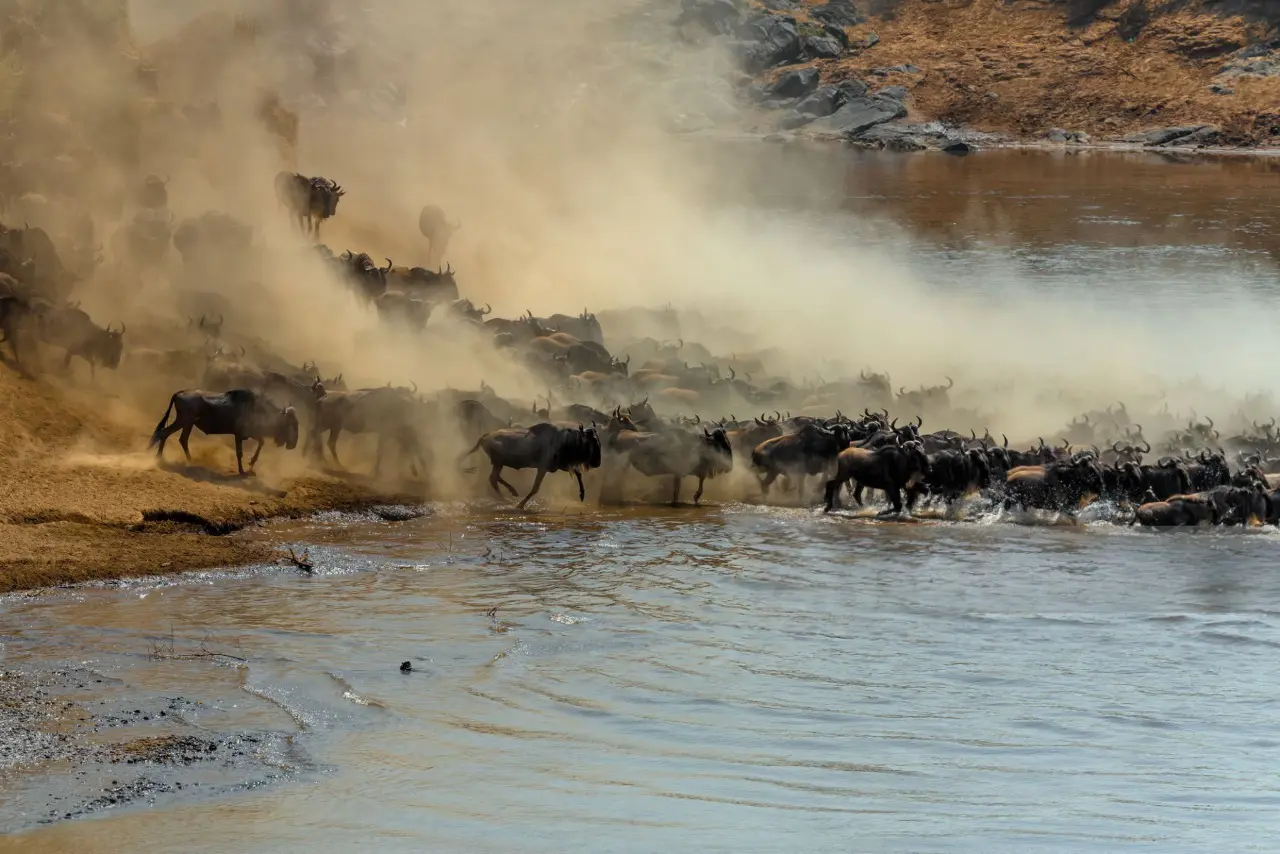
Wildlife monitoring and research benefit from tourism infrastructure and accessibility. Scientists and conservationists utilize safari camps and guides to conduct research on animal populations, migration patterns, and ecosystem health, generating knowledge essential for effective conservation strategies and policy development.
The economic value of wildlife through tourism creates powerful incentives for conservation among local communities. When wildlife generates more income than alternative land uses, communities become active conservation partners, protecting animals and habitats that might otherwise be threatened by development pressures.