
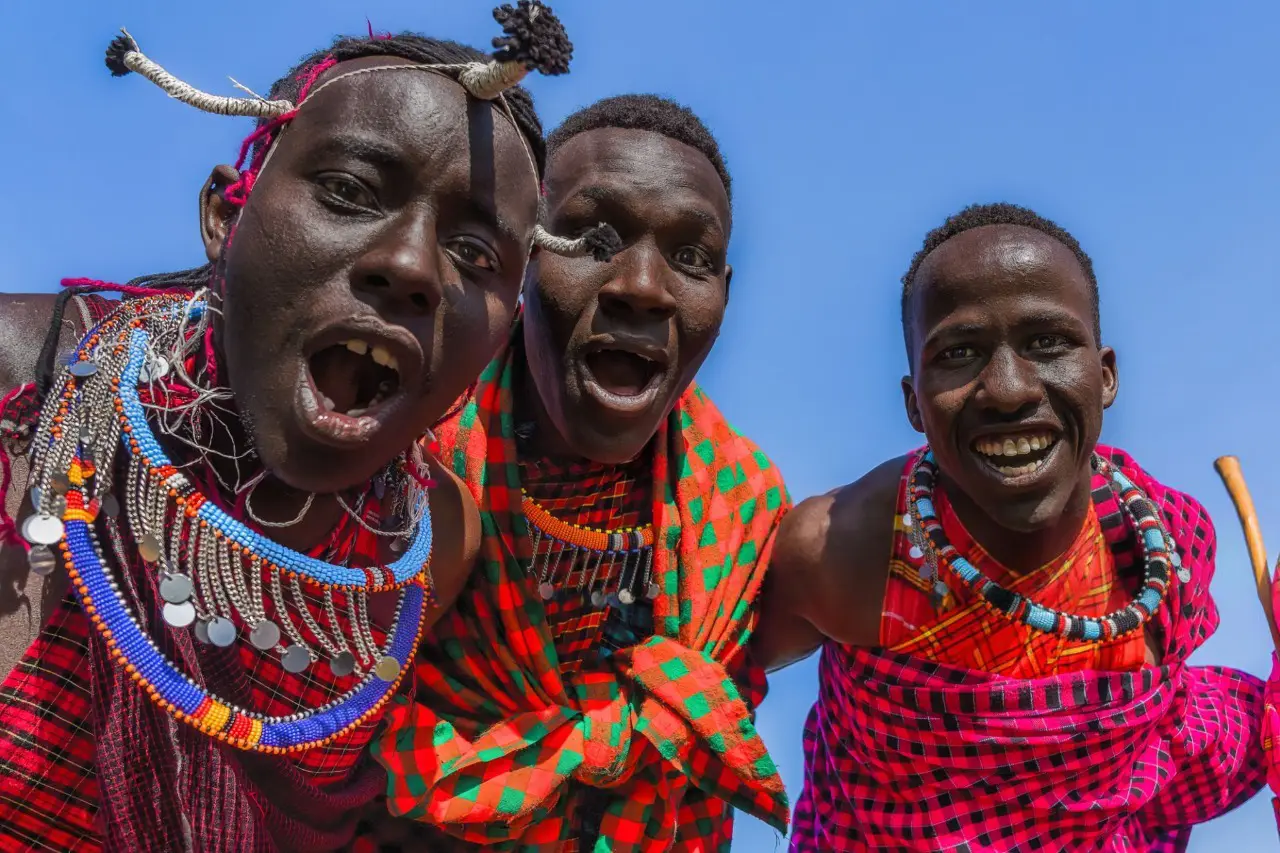
The Maasai people have lived harmoniously with wildlife in the greater Mara ecosystem for centuries, developing a rich cultural heritage that continues to thrive today. At Kileleoni Mara Gateway, we offer authentic cultural experiences that provide deeper understanding of this fascinating semi-nomadic community and their enduring traditions.
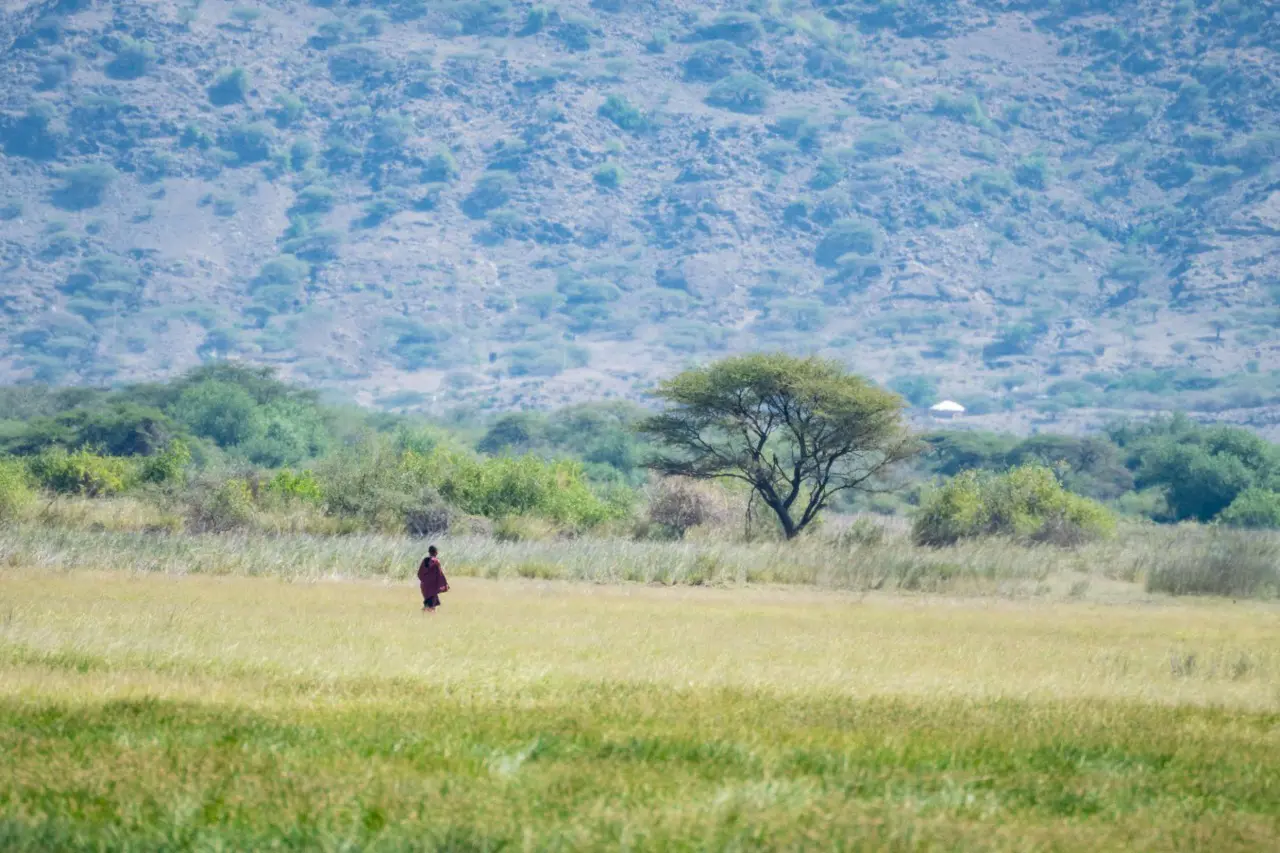
Our cultural tours take guests to genuine Maasai villages where families continue traditional lifestyles while adapting to modern challenges. These visits offer intimate glimpses into daily life, from cattle herding practices that have sustained the community for generations to traditional crafts that reflect centuries of artistic expression.
The Maasai's intricate relationship with wildlife becomes evident through their traditional stories, songs, and ceremonies. Their deep ecological knowledge, passed down through oral traditions, reveals sophisticated understanding of animal behavior, seasonal patterns, and sustainable land management practices that modern conservation efforts increasingly recognize and value.
Traditional Maasai dwellings, constructed from mud, cow dung, and local materials, demonstrate remarkable adaptation to the semi-arid environment. Guests learn about construction techniques, social organization within the village, and the important roles different age groups play in community life and decision-making processes.
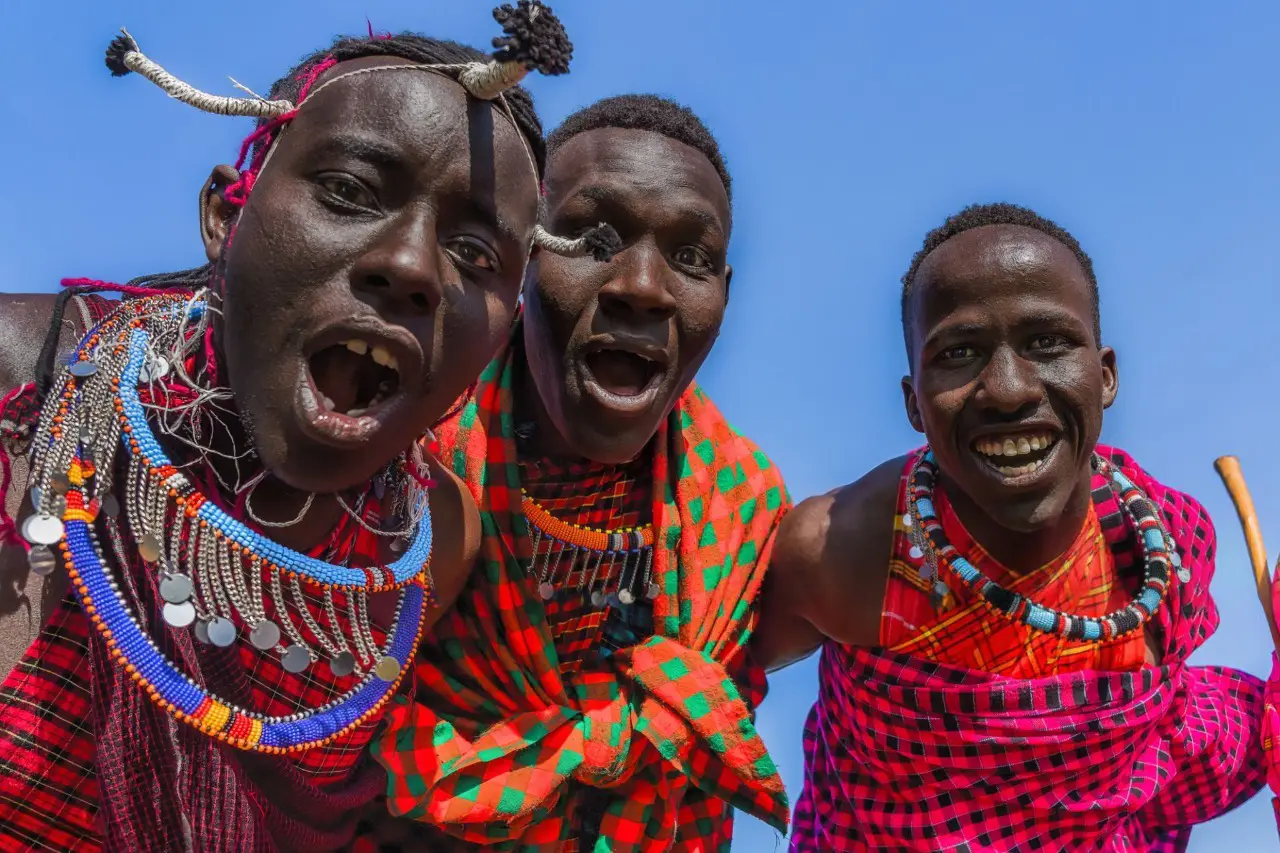
Cultural demonstrations include traditional dances, where warriors showcase their jumping abilities and distinctive vocal styles. These performances, accompanied by authentic costumes and traditional instruments, provide entertainment while preserving important cultural expressions that strengthen community identity and pride.
Local artisans demonstrate traditional beadwork, woodcarving, and other crafts that have economic and cultural significance. Guests can purchase authentic handmade items directly from craftspeople, supporting local economies while acquiring meaningful mementos of their African experience.
These cultural interactions foster mutual understanding and respect between visitors and local communities. They highlight the importance of cultural preservation while demonstrating how traditional knowledge contributes to modern conservation efforts and sustainable tourism development.