
Experience the ultimate safari adventure at Kileleoni Mara Gateway Camp. Luxury safari accommodation in the heart of Maasai Mara with premium amenities and unparalleled wildlife viewing experiences.
Loading
Experience the ultimate safari adventure at Kileleoni Mara Gateway Camp. Luxury safari accommodation in the heart of Maasai Mara with premium amenities and unparalleled wildlife viewing experiences.

 Ancient Heritage

Discover the rich cultural heritage of the Maasai people, whose ancient traditions and deep connection with the land have shaped the character of the Maasai Mara for over a millennium. Experience authentic cultural exchanges that honor and preserve this remarkable way of life.
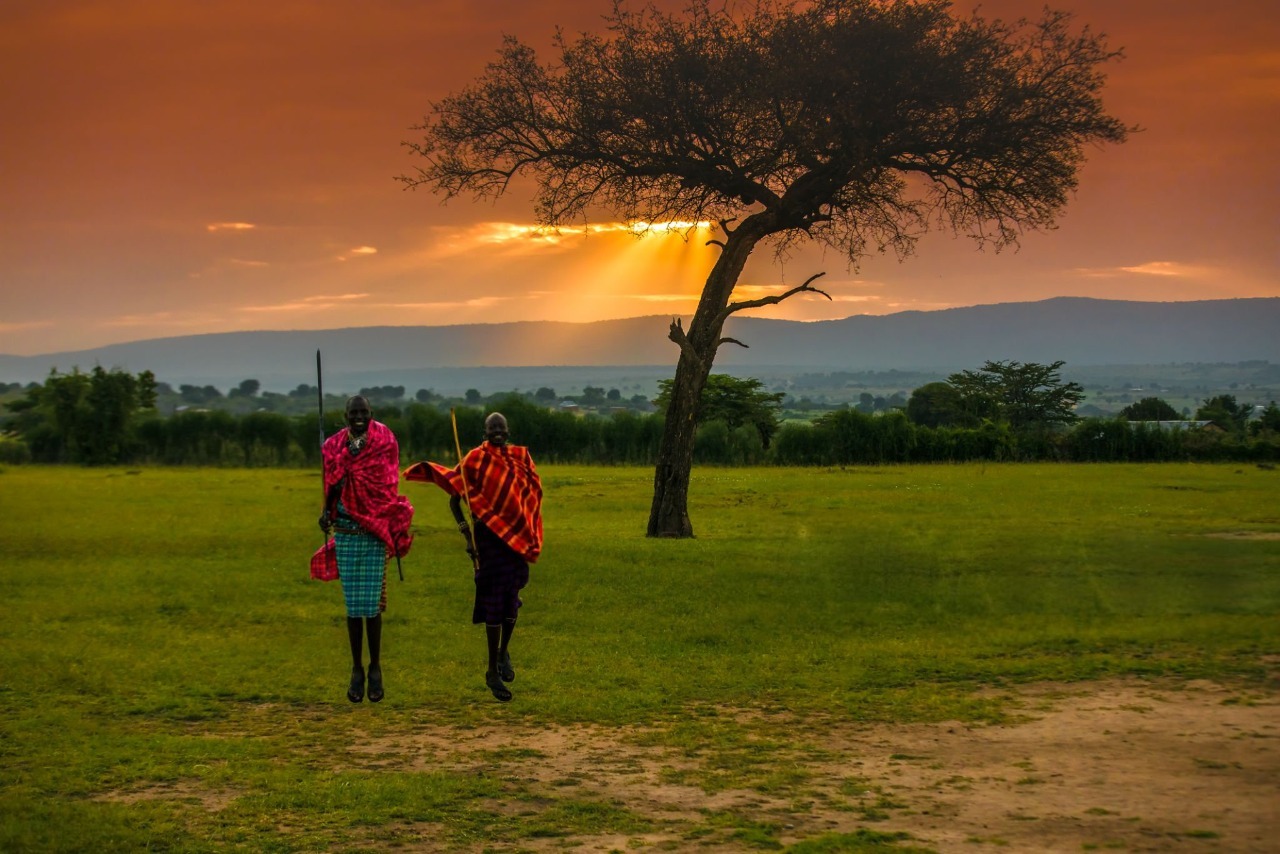
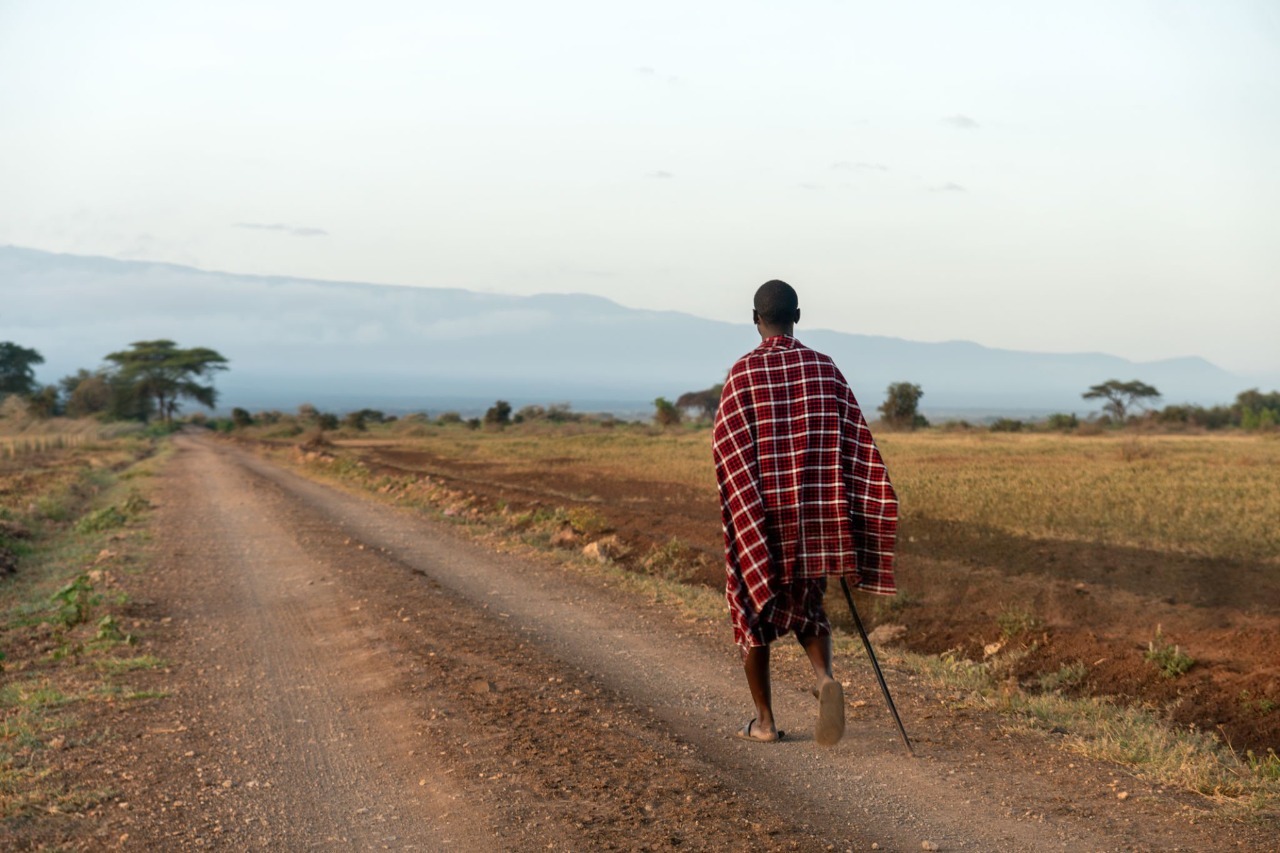
The Maasai people represent one of East Africa's most distinctive and resilient cultures, having maintained their traditional pastoral lifestyle and social structures for over a thousand years. Their deep spiritual connection with cattle, sophisticated age-set system, and harmonious coexistence with wildlife have made them iconic symbols of traditional African culture and guardians of the ecosystem we know today as the Maasai Mara.
Maasai society is organized around a complex age-set system that governs social relationships, responsibilities, and cultural practices throughout an individual's lifetime. This system divides community members into distinct age groups, each with specific roles, privileges, and obligations that contribute to the overall functioning of Maasai society. The progression through age sets provides structure and continuity across generations while ensuring that traditional knowledge and cultural practices are preserved and transmitted.
Young men progress from junior warriors (ilmurran) to senior warriors and eventually to elder status, with each transition marked by elaborate ceremonies and the assumption of new responsibilities. Warriors traditionally serve as protectors of the community and cattle herds, while elders make important decisions affecting the entire community. Women also have defined roles within this system, with their status often tied to marriage, motherhood, and their contributions to household management and community welfare.
Cattle hold sacred significance in Maasai culture, representing not merely economic assets but the very foundation of spiritual beliefs, social relationships, and cultural identity. According to Maasai creation mythology, Enkai (God) granted all cattle on earth to the Maasai people, establishing their role as the chosen caretakers of these sacred animals. This belief system influences every aspect of Maasai life, from daily routines and dietary practices to complex ceremonial observances and social interactions.
The relationship between Maasai and their cattle extends far beyond economic utility, encompassing emotional bonds, spiritual connections, and cultural practices that define individual and community identity. Cattle provide milk, blood, and occasionally meat for sustenance, while also serving as currency for bride prices, compensation payments, and ceremonial exchanges. The size and quality of cattle herds determine social status and influence within the community, making successful cattle management essential for maintaining respect and authority.
Maasai traditional dress is instantly recognizable worldwide, with distinctive red shukas (cloth wraps), elaborate beadwork, and traditional weapons creating a visual identity that has remained largely unchanged for centuries. The predominance of red color in Maasai dress holds deep cultural significance, symbolizing bravery, strength, and the warrior spirit while also serving practical purposes in deterring wild animals and concealing bloodstains during hunting or conflicts.
Beadwork represents one of the most sophisticated aspects of Maasai material culture, with intricate patterns and color combinations conveying complex information about the wearer's age, marital status, social position, and clan affiliation. Women create elaborate jewelry using traditional techniques passed down through generations, with different styles and patterns reserved for specific ceremonial occasions or life stages. The skill and artistry involved in traditional beadwork reflects the sophisticated aesthetic sensibilities that characterize many aspects of Maasai culture.
Maasai cultural life is punctuated by elaborate ceremonies that mark important transitions and maintain spiritual connections with ancestral traditions. The most significant ceremonies involve age-set progressions, particularly the initiation of young men into warrior status, which involves months of preparation, testing, and ritual observances. These ceremonies strengthen community bonds while ensuring that traditional knowledge, values, and practices are transmitted to younger generations.
Marriage ceremonies involve complex negotiations between families and communities, with elaborate gift exchanges and ritual observances that establish new kinship relationships and social obligations. The ceremonial aspects of marriage extend far beyond the immediate families involved, creating networks of mutual support and cooperation that contribute to community resilience and social cohesion. Traditional healing ceremonies address both physical ailments and spiritual imbalances, incorporating medicinal plants, ritual cleansing, and community participation.
Maasai musical traditions encompass a rich repertoire of songs, chants, and rhythmic patterns that serve multiple functions within the culture, including entertainment, education, spiritual expression, and social bonding. The famous jumping dance (adumu) performed by warriors demonstrates physical prowess while reinforcing group identity and competitive spirit. Different types of songs accompany various activities such as cattle herding, ceremonial events, and social gatherings, with specific melodies and lyrics associated with different age groups and occasions.
Oral traditions form the backbone of Maasai cultural transmission, with stories, proverbs, riddles, and historical accounts passed down through generations by skilled storytellers. These narratives serve multiple purposes, including moral instruction, historical preservation, entertainment, and the maintenance of cultural knowledge about everything from cattle management and medicinal plants to weather prediction and conflict resolution. The sophisticated memory techniques used by traditional storytellers ensure accurate transmission of cultural information across generations.
Traditional Maasai settlements, known as bomas or enkang, reflect sophisticated understanding of environmental conditions, security needs, and social organization. These circular communities are surrounded by thorn bush barriers that protect livestock from predators while creating defined spaces for different activities and family groups. The layout of bomas follows traditional patterns that have been refined over centuries, with specific locations designated for different family units based on social hierarchy and kinship relationships.
Individual houses within the boma are constructed by women using locally available materials including mud, sticks, grass, cow dung, and ash. These traditional building techniques create structures that are surprisingly durable and comfortable, designed to withstand the challenging climate conditions of the East African savanna while providing adequate shelter for families and their possessions. The circular design of houses reflects cultural beliefs about harmony and completeness while maximizing interior space and structural stability.
Maasai spiritual beliefs center around Enkai, a single deity who is believed to reside in the sky and control all aspects of life, death, rainfall, and prosperity. This monotheistic belief system influences daily activities, ceremonial practices, and community decision-making, with prayers and offerings made to ensure divine favor and protection. Sacred sites throughout Maasai territory serve as places of worship and ritual observance, often located near distinctive natural features such as mountains, rivers, or unusual rock formations.
Traditional medicine practices incorporate extensive knowledge of medicinal plants, healing rituals, and holistic approaches to health and wellness. Specialized practitioners known as laibon serve as spiritual leaders, healers, and advisors to the community, possessing deep knowledge of traditional treatments and ritual practices. The integration of physical, spiritual, and social dimensions of healing reflects sophisticated understanding of health as a complex interaction between individual, community, and environmental factors.
Modern Maasai communities face significant challenges as they navigate between traditional ways of life and the demands of contemporary society. Educational policies requiring formal schooling create tensions between traditional knowledge systems and modern curriculum requirements, though many communities are developing innovative approaches that incorporate both traditional and contemporary learning methods. Economic pressures from land scarcity, climate change, and market integration require adaptation of traditional pastoral practices while maintaining core cultural values.
Tourism development presents both opportunities and challenges for Maasai communities, providing alternative income sources while raising concerns about cultural commodification and authenticity. Successful tourism initiatives emphasize genuine cultural exchange and community benefit rather than superficial performances or exploitative relationships. The most effective programs involve community ownership and control, ensuring that tourism revenue supports cultural preservation and community development goals rather than undermining traditional social structures.
Efforts to preserve and sustain Maasai culture involve complex strategies that balance tradition with necessary adaptations to changing circumstances. Community-based initiatives focus on documenting traditional knowledge, supporting cultural education programs, and creating economic opportunities that strengthen rather than undermine traditional social structures. The involvement of younger generations in cultural preservation efforts ensures continuity while allowing for natural evolution and adaptation of traditional practices.
The relationship between cultural preservation and wildlife conservation demonstrates how traditional knowledge systems can contribute to contemporary environmental protection efforts. Maasai traditional practices of rotational grazing, seasonal movement patterns, and wildlife coexistence provide valuable insights for modern conservation strategies. Recognition of indigenous land rights and traditional management systems supports both cultural survival and environmental sustainability in the greater Mara ecosystem.
Join us for respectful cultural encounters that honor and support the Maasai people