
Experience the ultimate safari adventure at Kileleoni Mara Gateway Camp. Luxury safari accommodation in the heart of Maasai Mara with premium amenities and unparalleled wildlife viewing experiences.
Loading
Experience the ultimate safari adventure at Kileleoni Mara Gateway Camp. Luxury safari accommodation in the heart of Maasai Mara with premium amenities and unparalleled wildlife viewing experiences.

 Cultural Heritage

Journey into the heart of Maasai culture with authentic village visits that offer genuine insights into one of Africa's most iconic pastoral communities. Experience centuries-old traditions, customs, and the remarkable relationship between the Maasai people and the wildlife of the Mara.
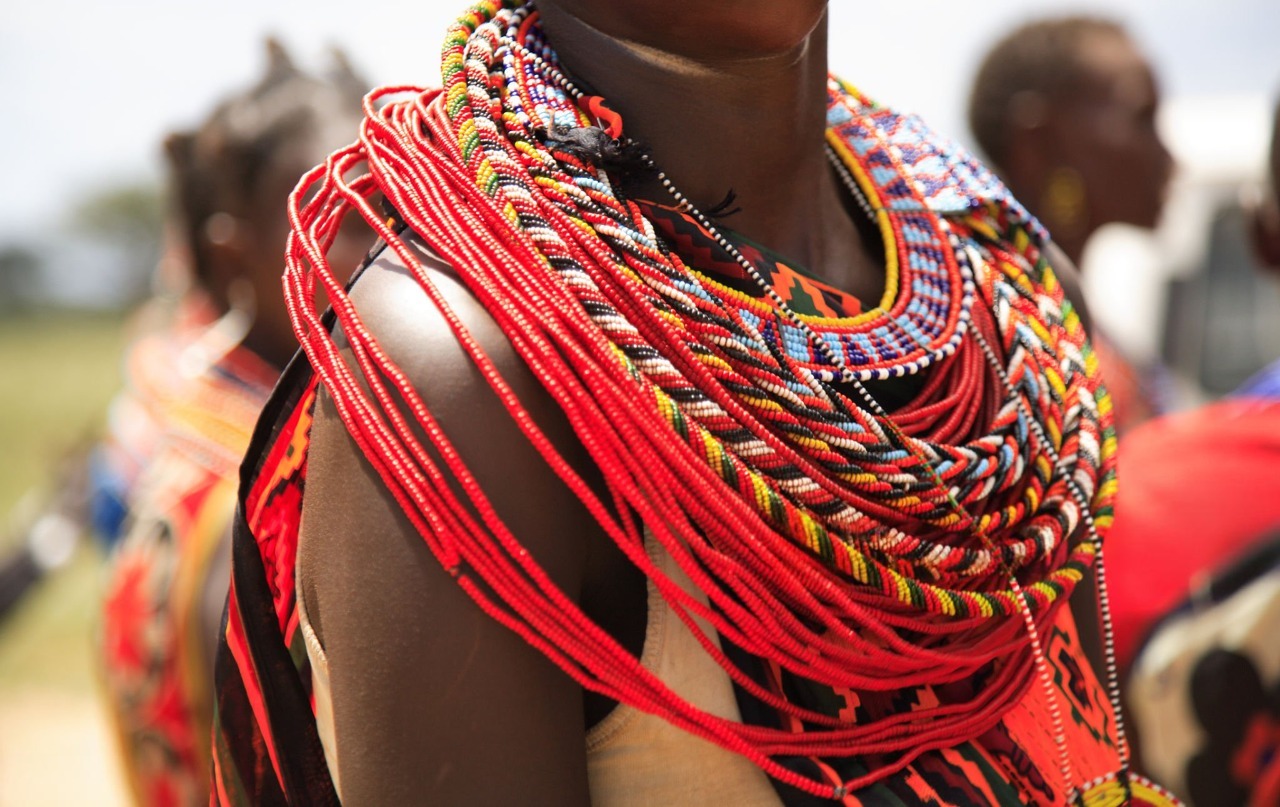
The Maasai people represent one of East Africa's most fascinating and resilient cultures, having maintained their traditional way of life for over a millennium while adapting to the challenges of the modern world. At Kileleoni Mara Gateway, our cultural visits provide authentic encounters with local Maasai communities, offering guests the rare opportunity to gain genuine insights into a culture that has captivated anthropologists, explorers, and travelers for generations. These experiences go far beyond superficial tourist presentations, providing meaningful cultural exchange that benefits both visitors and the local community.
The Maasai are a Nilotic ethnic group inhabiting northern, central and southern Kenya and northern Tanzania. They are among the most well-known local populations internationally due to their residence near the many game parks of the African Great Lakes and their distinctive customs and dress. The Maasai speak Maa, a member of the Nilotic language family that is related to Dinka and Nuer. They are also educated in the official languages of Kenya and Tanzania, Swahili and English. The Maasai population has been reported as numbering 1,189,522 in Kenya in the 2019 census, compared to 377,089 in the 1989 census.
Traditional Maasai society is organized around age sets and generation sets, creating a complex social structure that governs behavior, responsibilities, and rights within the community. Young men progress through various life stages, from childhood through junior warrior (moran) status to senior warrior and eventually elder status. Each stage comes with specific duties, privileges, and ceremonial obligations. Women also have defined roles within this structure, with their status often tied to marriage, motherhood, and their contribution to household management and livestock care.
The Maasai are traditionally pastoralists, with their entire culture built around cattle, which are considered sacred and form the basis of their economy, social structure, and spiritual beliefs. Cattle provide not only milk, meat, and blood for sustenance but also serve as currency for bride prices, compensation for wrongdoing, and symbols of wealth and status. The deep spiritual connection between the Maasai and their cattle is reflected in numerous ceremonies, songs, and traditions that govern the care and management of herds.
Maasai villages, known as "bomas" or "kraals," are circular settlements surrounded by thorn bush fences designed to protect livestock from predators during the night. The layout of these settlements follows traditional patterns that have been refined over centuries, with each family's house positioned according to social hierarchy and relationships within the community. The houses themselves, called "inkajijik," are constructed by women using locally available materials including mud, sticks, grass, cow dung, and ash, creating surprisingly durable and comfortable dwellings suited to the semi-arid environment.
The social organization of Maasai villages reflects the complex relationships between different age groups, clans, and families. Decision-making follows traditional patterns with elders holding ultimate authority in important matters affecting the community. However, different age groups have specific responsibilities and areas of expertise, creating a system where knowledge and skills are passed down through generations while allowing for adaptation to changing circumstances.
Daily life in a Maasai village revolves around the care of livestock, with different family members having specific responsibilities. Young children help with smaller animals like goats and sheep, while older boys and young men are responsible for cattle herding. Women manage household affairs, including cooking, child care, house construction and maintenance, and the collection of water and firewood. Men handle livestock trading, community defense, and participate in the complex ceremonial life that binds the community together.
Maasai material culture is characterized by distinctive and highly functional items that reflect both practical needs and aesthetic sensibilities developed over centuries. The most recognizable element of Maasai dress is the "shuka," brightly colored cloth worn wrapped around the body, typically in red, blue, or checkered patterns. Red is considered the most important color, symbolizing bravery, strength, and the warrior spirit, while also serving the practical purpose of deterring wild animals and not showing blood during hunting or conflicts.
Maasai jewelry represents some of the most sophisticated beadwork in Africa, with intricate patterns and color combinations that convey information about the wearer's age, social status, and clan affiliation. Women and men both wear elaborate jewelry, though styles and patterns differ significantly. The beadwork is not merely decorative but serves as a form of communication, with specific colors and patterns indicating everything from marital status to recent achievements or life events.
Traditional weapons and tools reflect the pastoral lifestyle and the need for protection in a landscape shared with dangerous wildlife. The "rungu" (wooden club), spears, and shields are crafted with great skill and decorated with symbols that identify the owner's clan and achievements. These items are not merely functional but represent important elements of Maasai identity and cultural heritage, often passed down through generations as precious family heirlooms.
Maasai spiritual beliefs center around Enkai (also known as Engai), a single deity who is believed to have given the Maasai all cattle on earth, establishing their role as the chosen people responsible for livestock care. This central belief system influences every aspect of Maasai life, from daily activities to major life transitions. The relationship with Enkai is maintained through prayers, ceremonies, and the observance of traditional customs that have been passed down through generations.
Age-set ceremonies mark important transitions in Maasai society, with the most significant being the initiation of young men into warrior status. These ceremonies involve complex rituals that test courage, endurance, and commitment to traditional values. The initiation process can last several months and includes instruction in traditional knowledge, warrior skills, and cultural responsibilities. Similar ceremonies mark women's transitions, particularly marriage ceremonies that involve elaborate negotiations between families and communities.
Traditional healing practices form an important component of Maasai culture, with specialized practitioners known as "laibon" serving as spiritual leaders, healers, and advisors to the community. These individuals possess extensive knowledge of medicinal plants, traditional treatments, and spiritual practices that address both physical and psychological ailments. The healing traditions incorporate elements of herbal medicine, spiritual cleansing, and community support that reflect a holistic approach to health and wellbeing.
Maasai musical traditions are characterized by distinctive vocal techniques, rhythmic patterns, and dance styles that serve both entertainment and ceremonial purposes. The most recognizable form of Maasai music is the "adumu" or jumping dance, performed by warriors as a demonstration of strength and agility. This dance involves men forming a circle and taking turns jumping as high as possible while maintaining a straight posture, with the height of the jump indicating the dancer's fitness and warrior capabilities.
Traditional songs serve multiple functions in Maasai society, including storytelling, historical recording, moral instruction, and spiritual expression. Different types of songs are associated with specific activities such as cattle herding, ceremonies, work activities, and social gatherings. The lyrics often contain complex metaphors and references that require cultural knowledge to fully appreciate, making them important vehicles for transmitting cultural values and historical information to younger generations.
Oral traditions form the backbone of Maasai cultural transmission, with stories, proverbs, riddles, and historical accounts passed down through generations by skilled storytellers. These narratives serve multiple purposes, including entertainment, education, moral guidance, and the preservation of historical events and cultural knowledge. The stories often feature animals, reflecting the close relationship between the Maasai and the wildlife with whom they share the landscape.
Modern Maasai communities face significant challenges as they navigate between traditional ways of life and the demands of contemporary society. Land pressures from expanding agriculture, conservation policies, and urban development have reduced traditional grazing areas, forcing many Maasai to adapt their pastoral practices or seek alternative livelihoods. Education policies requiring formal schooling have created tensions between traditional knowledge systems and modern education, though many communities are finding ways to integrate both approaches.
Climate change has introduced new uncertainties to traditional pastoral practices, with changing rainfall patterns and increased frequency of droughts challenging traditional livestock management strategies. Many Maasai communities are developing adaptive strategies that combine traditional knowledge with modern techniques, including diversification into agriculture, small businesses, and tourism-related activities while maintaining core cultural values and practices.
The relationship between Maasai communities and wildlife conservation represents both challenges and opportunities. Traditional Maasai practices generally coexisted peacefully with wildlife, but modern conservation policies have sometimes conflicted with traditional land use patterns. However, innovative partnerships between Maasai communities and conservation organizations are creating models that benefit both wildlife protection and community development, demonstrating that traditional cultures and conservation goals can be mutually supportive.
Cultural visits at Kileleoni Mara Gateway are designed as genuine exchanges that provide benefits to both visitors and host communities. Rather than treating Maasai culture as a tourist spectacle, these visits emphasize mutual respect, learning, and understanding. Guests are encouraged to approach cultural encounters with curiosity, respect, and an open mind, recognizing that they are being welcomed into a living culture with its own values, beliefs, and ways of understanding the world.
The economic benefits of cultural tourism provide important alternative income sources for Maasai communities, helping to support traditional ways of life while providing incentives for cultural preservation. Revenue from cultural visits supports community development projects including schools, healthcare facilities, water systems, and infrastructure improvements that benefit entire communities rather than just individuals involved in tourism activities.
Educational components of cultural visits help guests understand the complexity and sophistication of traditional Maasai knowledge systems, challenging stereotypes and promoting appreciation for indigenous wisdom. These exchanges often lead to lasting connections between visitors and host communities, with many guests maintaining relationships and supporting community development projects long after their visits have ended.